Warm Baths and Fibromyalgia: Natural Relief Guide
Understanding Fibromyalgia Pain
Fibromyalgia is a chronic condition that causes widespread pain, fatigue, sleep disturbances, and cognitive difficulties. People living with fibromyalgia often experience muscle stiffness, tender points, and persistent discomfort that can interfere with everyday activities. Because the condition affects how the brain processes pain signals, even mild sensations can feel intense and overwhelming.
Managing fibromyalgia often requires a combination of medical treatment, lifestyle changes, and self-care practices. Among the many natural methods used to ease symptoms, warm baths are widely recommended for their soothing and therapeutic effects on the body and mind.
Why Warm Baths Help Fibromyalgia
Warm baths can provide significant relief for fibromyalgia symptoms because heat relaxes muscles and improves blood circulation. When the body is immersed in warm water, tension in the muscles begins to loosen, reducing stiffness and discomfort.
Additionally, warm water stimulates the nervous system in a calming way. This can help reduce stress levels and decrease pain sensitivity, making warm baths a simple yet effective tool for managing daily symptoms.
The Science Behind Heat Therapy
Heat therapy works by increasing blood flow to affected muscles and joints. Improved circulation helps deliver oxygen and nutrients to tissues while removing waste products that can contribute to pain and inflammation.
For people with fibromyalgia, heat can also reduce the sensation of pain by interfering with the body’s pain signals. This is why many individuals report feeling immediate relief after soaking in warm water or using heat-based therapies.
Relaxing Muscles and Reducing Stiffness
Muscle stiffness is a common complaint among people with fibromyalgia, especially after long periods of rest or inactivity. Warm baths help loosen tight muscles and improve flexibility.
As muscles relax, the body becomes more comfortable, making it easier to move and perform daily tasks. This gentle relaxation can help reduce the physical strain that often accompanies fibromyalgia.
Improving Sleep Quality
Sleep disturbances are one of the most challenging aspects of fibromyalgia. Many people struggle to fall asleep or stay asleep due to persistent pain and discomfort.
Taking a warm bath before bedtime can promote relaxation and prepare the body for sleep. The calming effect of warm water helps lower stress levels and encourages the body to transition into a restful state, potentially improving sleep quality.
Reducing Stress and Anxiety
Stress and emotional tension can worsen fibromyalgia symptoms. Warm baths offer a quiet moment for relaxation, allowing the body and mind to unwind.
The soothing environment of a bath can help reduce anxiety, slow breathing, and promote mental calmness. Regular relaxation practices can make it easier to manage the emotional challenges associated with chronic pain.
Adding Epsom Salt for Extra Relief
Many people with fibromyalgia add Epsom salt to their baths for additional comfort. Epsom salt contains magnesium sulfate, which some believe may help relax muscles and reduce soreness.
While scientific evidence is still limited, many individuals report that Epsom salt baths help them feel more relaxed and reduce muscle tension after a long day.
Aromatherapy and Warm Baths
Combining warm baths with aromatherapy can enhance relaxation. Essential oils such as lavender, chamomile, or eucalyptus are often used to create a calming atmosphere.
These scents can help reduce stress and promote a sense of well-being. Aromatherapy may also support better sleep and emotional balance when used regularly as part of a self-care routine.
Hydrotherapy and Fibromyalgia Relief
Hydrotherapy, or water-based therapy, has been used for centuries to treat pain and promote healing. Warm water therapy can help reduce pressure on joints and muscles while supporting gentle movement.
For fibromyalgia patients, hydrotherapy can be particularly helpful because it allows the body to relax while still encouraging circulation and mobility.
Creating the Perfect Bath Routine
A comfortable bath routine can maximize the benefits of warm water therapy. The water should be warm but not too hot, as extreme heat can sometimes worsen fatigue or dizziness.
Spending about 15 to 20 minutes in a warm bath is usually enough to relax muscles and calm the nervous system. Creating a quiet environment with dim lighting or soft music can make the experience even more soothing.
Gentle Stretching After a Bath
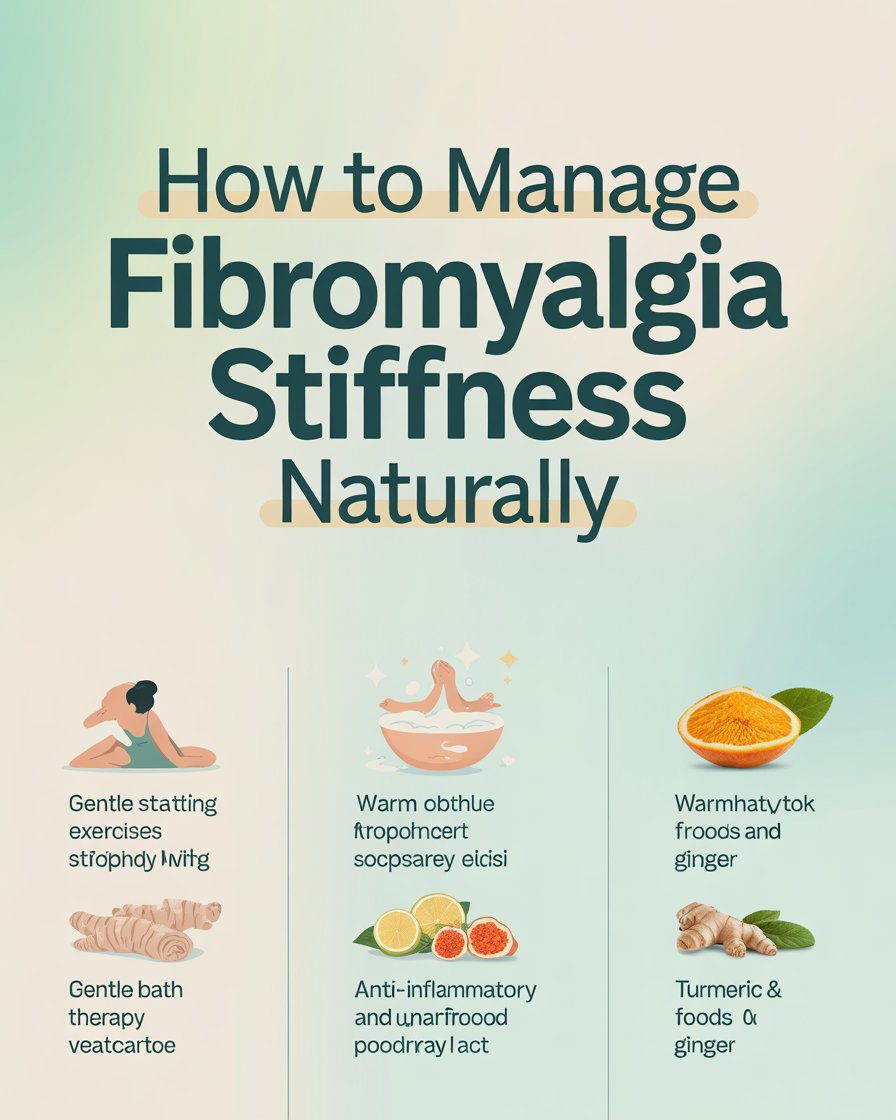
After soaking in warm water, muscles are more relaxed and flexible. This is a good time to perform gentle stretching exercises.
Light stretches can help improve mobility, reduce stiffness, and maintain muscle health. However, movements should always be slow and comfortable to avoid triggering pain flare-ups.
Safety Tips for Warm Baths
While warm baths are generally safe, individuals with fibromyalgia should take certain precautions. Water that is too hot can cause dizziness or increase fatigue, especially if the bath lasts too long.
It is also important to stay hydrated and move slowly when getting out of the tub to prevent lightheadedness. Listening to the body and adjusting the routine as needed is essential.
Combining Warm Baths with Other Therapies
Warm baths work best when combined with other fibromyalgia management strategies. Gentle exercise, balanced nutrition, stress management, and proper sleep habits all play important roles in controlling symptoms.
A holistic approach allows individuals to address both physical and emotional aspects of the condition, leading to better long-term outcomes.
Listening to Your Body
Every person with fibromyalgia experiences symptoms differently. While warm baths may provide relief for many people, it is important to pay attention to how the body responds.
If a particular routine feels beneficial, it can become a valuable part of daily self-care. If discomfort occurs, adjustments may be needed to find a more suitable approach.
Embracing Natural Comfort
Warm baths offer a simple and natural way to ease fibromyalgia discomfort. By relaxing muscles, improving circulation, and calming the nervous system, this gentle therapy can bring meaningful relief.
Although fibromyalgia has no cure, small self-care practices like warm baths can make daily life more manageable. With consistency and patience, these natural methods can help individuals feel more comfortable and regain a sense of control over their well-being.