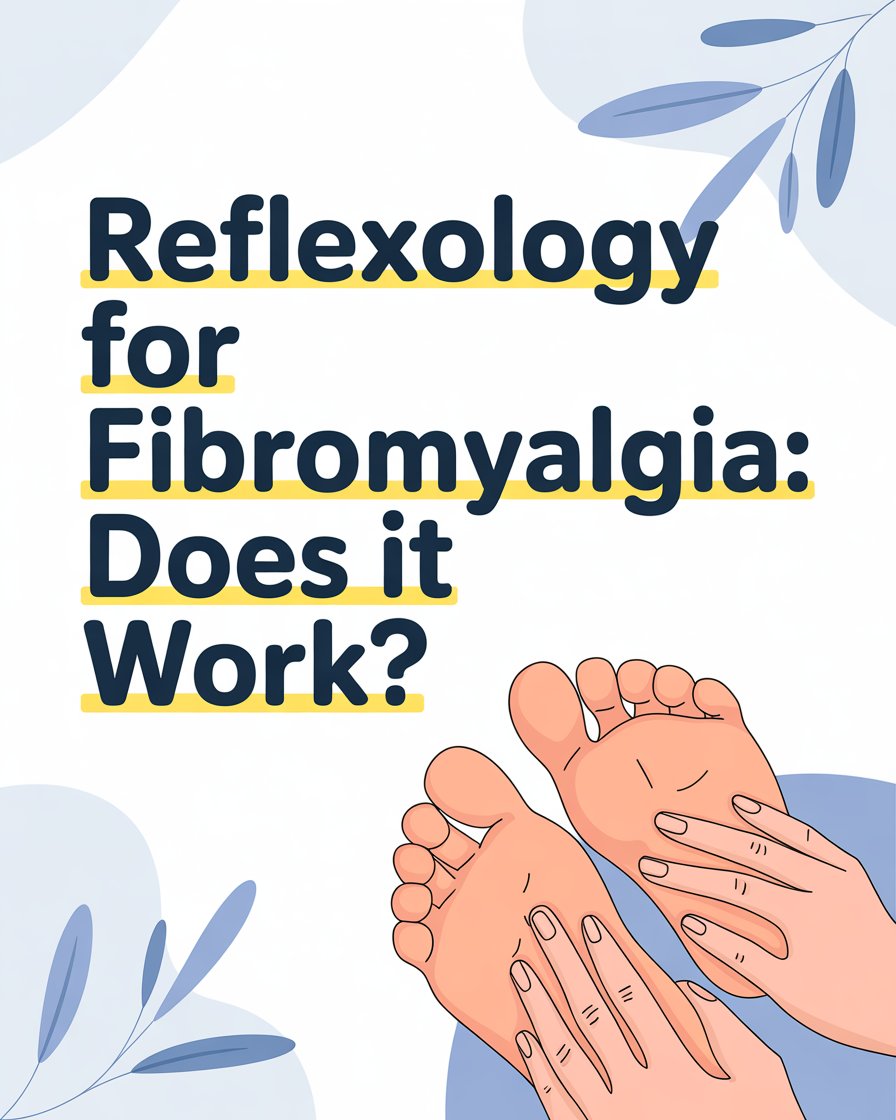
Reflexology for Fibromyalgia: Does It Work?
Understanding Fibromyalgia
Fibromyalgia is a chronic disorder characterized by widespread pain, fatigue, sleep disturbances, and cognitive difficulties, often referred to as “fibro fog.” The condition affects millions worldwide and can significantly impair daily life. Despite ongoing research, the exact cause of fibromyalgia remains unclear, though abnormal pain processing in the nervous system, genetics, stress, and hormonal imbalances are considered contributing factors.
Managing fibromyalgia often requires a multifaceted approach, including medication, physical therapy, lifestyle adjustments, and complementary therapies. One such complementary therapy gaining attention is reflexology.
What Is Reflexology?
Reflexology is an alternative therapy that involves applying pressure to specific points on the feet, hands, or ears, which correspond to different organs and systems in the body. Practitioners believe that stimulating these “reflex points” can improve overall health, reduce stress, and promote healing.
Reflexology is non-invasive and generally considered safe, making it an appealing option for individuals with chronic pain conditions like fibromyalgia. But how effective is it for managing fibromyalgia symptoms?
How Reflexology Is Thought to Work
The theory behind reflexology is rooted in the concept of energy pathways or “zones” in the body. By massaging reflex points, practitioners aim to restore balance, improve circulation, and support the body’s natural healing processes.
For fibromyalgia patients, reflexology is believed to help reduce muscle tension, alleviate pain, improve sleep, and enhance relaxation. While scientific mechanisms are not fully understood, some studies suggest that reflexology may activate the parasympathetic nervous system, which is associated with relaxation and stress reduction.
Research on Reflexology and Fibromyalgia
Scientific research on reflexology for fibromyalgia is limited but growing. Some small studies have reported improvements in pain, fatigue, and anxiety after regular reflexology sessions. Participants often describe a sense of relaxation and improved well-being following treatment.
However, the results are mixed, and many studies have small sample sizes or lack control groups. While some patients experience relief, reflexology is not considered a standalone treatment for fibromyalgia, but rather a complementary approach alongside conventional therapies.
Potential Benefits of Reflexology
Reflexology may provide several potential benefits for fibromyalgia patients:
- Pain Reduction: Gentle pressure may help relax muscles and reduce tension.
- Stress Relief: The calming effect may lower stress hormones and promote relaxation.
- Improved Sleep: Reduced tension and stress may help improve sleep quality.
- Enhanced Mood: Many patients report feeling emotionally uplifted after sessions.
While benefits vary from person to person, reflexology can be part of a holistic self-care routine for managing symptoms.
Limitations and Considerations
Despite potential benefits, reflexology has limitations. Results are subjective, and scientific evidence remains inconclusive. Reflexology does not address the underlying causes of fibromyalgia and should not replace prescribed medications or therapies.
It’s also important to seek treatment from a certified reflexologist and inform your healthcare provider before starting sessions, especially if you have conditions like diabetes, circulation issues, or foot injuries.
Reflexology Techniques for Fibromyalgia
Common reflexology techniques include thumb and finger walking, kneading, and gentle pressure on the reflex points of the feet and hands. Sessions typically last 30 to 60 minutes. Practitioners may focus on points associated with the spine, head, kidneys, and other organs believed to influence pain and fatigue.
Some patients choose to learn basic self-reflexology techniques to complement professional sessions, although consistency and proper technique are important for any benefits.
How Often Should Reflexology Be Done?
The frequency of reflexology sessions depends on individual needs and responses. Many patients start with one to two sessions per week and adjust based on symptom improvement. Consistency over several weeks is often necessary to notice meaningful effects.
Patients are encouraged to monitor their symptoms and communicate progress with both their reflexologist and healthcare provider.
Reflexology vs. Other Complementary Therapies
Reflexology is one of several complementary therapies used to manage fibromyalgia. Others include massage therapy, acupuncture, yoga, tai chi, and mindfulness-based stress reduction. Each therapy offers different benefits, and combining multiple approaches may enhance symptom relief.
Unlike some therapies that target specific muscles or joints, reflexology focuses on holistic relaxation and stress reduction, which can indirectly improve pain perception and overall quality of life.
What Patients Report
Many fibromyalgia patients who try reflexology report feelings of deep relaxation, reduced stress, and temporary pain relief. Some describe improved mood, reduced anxiety, and better sleep patterns.
However, responses are highly individualized. While some patients experience noticeable benefits, others may see minimal change. Patient feedback underscores the importance of integrating reflexology as part of a broader treatment plan.
Safety and Precautions
Reflexology is generally safe for most people. Mild side effects like temporary soreness, fatigue, or tingling in the feet may occur. Patients with severe foot conditions, infections, or circulatory problems should consult a healthcare professional before starting reflexology.
Choosing a licensed and experienced reflexologist ensures safe techniques and reduces the risk of injury. Always inform your practitioner about fibromyalgia symptoms and any other medical conditions.
Integrating Reflexology into a Fibromyalgia Care Plan
Reflexology can be a supportive addition to a comprehensive fibromyalgia care plan. Combining reflexology with medications, physical therapy, gentle exercise, stress management, and healthy sleep habits may improve overall well-being.
Patients should maintain realistic expectations: reflexology may relieve symptoms temporarily but is unlikely to eliminate fibromyalgia pain entirely. Tracking symptom patterns before and after sessions can help assess its effectiveness.
Final Thoughts
Reflexology offers a low-risk, complementary option for managing fibromyalgia symptoms. While scientific evidence is limited, many patients report benefits such as relaxation, reduced pain, and improved mood.
For those struggling with fibromyalgia, reflexology may provide a valuable tool in a holistic approach to care. Consulting healthcare providers and combining reflexology with other therapies ensures the best chance for symptom relief and improved quality of life.

Related Posts