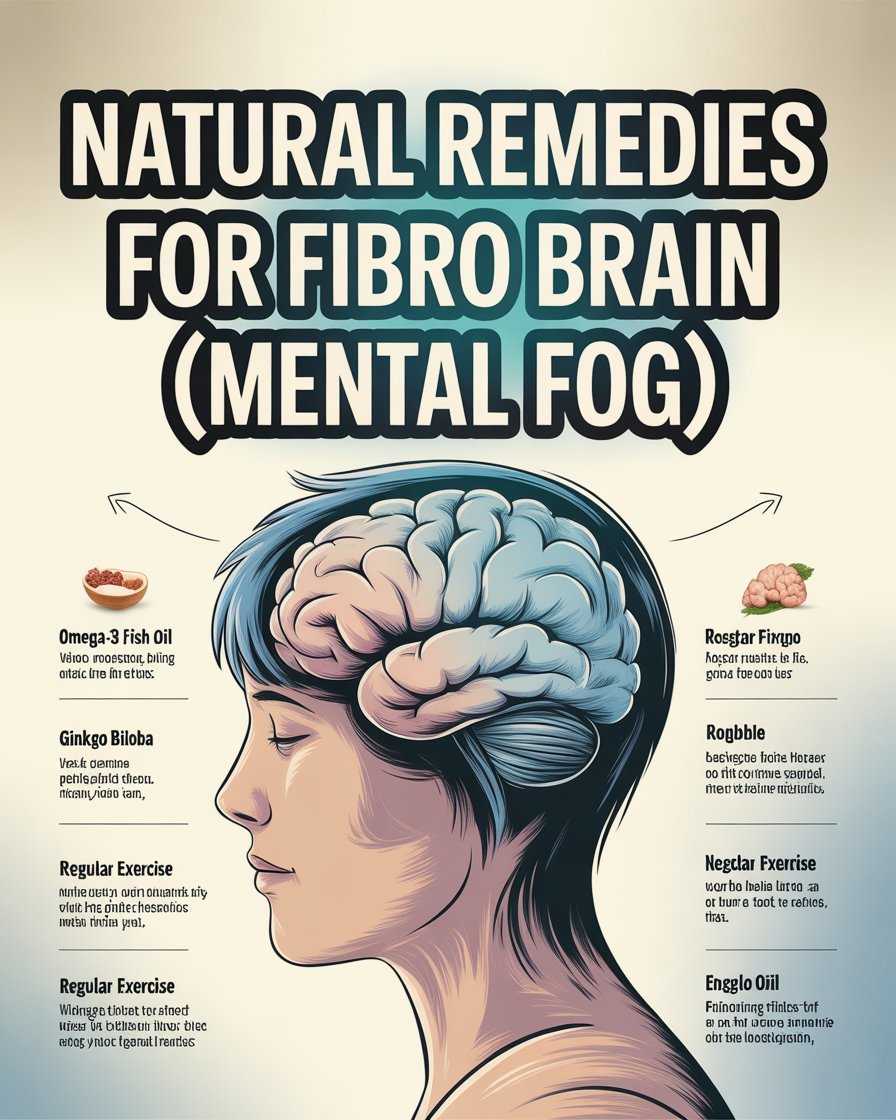
Reduce Fibromyalgia Inflammation Naturally
Understanding Fibromyalgia and Inflammation
Fibromyalgia is a chronic condition that causes widespread pain, fatigue, and tenderness throughout the body. Although it is not always classified as a traditional inflammatory disease, many people with fibromyalgia experience symptoms that resemble inflammation, such as muscle stiffness, swelling sensations, and increased pain sensitivity. These symptoms often arise because the nervous system becomes overly sensitive to pain signals.
Reducing inflammation naturally can help improve comfort and overall quality of life. By focusing on lifestyle habits, diet, and stress management, individuals with fibromyalgia may be able to ease symptoms and reduce flare-ups without relying solely on medication.
The Role of the Nervous System
One of the key reasons fibromyalgia symptoms occur is because of how the nervous system processes pain. The brain and spinal cord may amplify pain signals, making even minor discomfort feel intense. This condition, sometimes called pain sensitization, can cause the body to react strongly to normal sensations.
Natural approaches that calm the nervous system—such as relaxation techniques, better sleep, and gentle exercise—can help reduce the body’s stress response and indirectly lower inflammation-related symptoms.
Anti-Inflammatory Foods That Support Healing
Diet plays an important role in controlling inflammation. Foods rich in antioxidants, vitamins, and healthy fats can support the immune system and help the body recover more effectively. Fruits such as berries, leafy greens, and citrus fruits provide powerful nutrients that may help combat oxidative stress.
Healthy fats found in foods like avocados, olive oil, and fatty fish may also support the body’s natural anti-inflammatory processes. Replacing processed foods with whole, nutrient-dense meals can make a noticeable difference in energy levels and pain management.
Foods to Limit or Avoid
Certain foods may trigger or worsen fibromyalgia symptoms in some people. Highly processed foods, refined sugars, and excessive caffeine can contribute to inflammation and energy crashes. Artificial additives and preservatives may also increase sensitivity in some individuals.
While not everyone reacts the same way, keeping a food journal can help identify personal triggers. Gradually reducing inflammatory foods may help stabilize symptoms over time.
The Power of Gentle Exercise
Although pain and fatigue can make movement difficult, gentle exercise is one of the most effective natural ways to reduce fibromyalgia symptoms. Activities such as walking, stretching, swimming, or yoga can improve circulation and help release endorphins, the body’s natural pain relievers.
Starting slowly and building consistency is important. Even short daily sessions of light movement can help reduce stiffness, improve mood, and support overall physical health.
Improving Sleep for Symptom Relief
Sleep disturbances are very common among people with fibromyalgia. Poor sleep can worsen pain sensitivity, fatigue, and inflammation-like symptoms. Creating a healthy bedtime routine may significantly improve sleep quality.
Maintaining a consistent sleep schedule, reducing screen time before bed, and creating a quiet, comfortable sleeping environment can help the body rest and recover more effectively.
Stress and Its Impact on Fibromyalgia
Chronic stress can intensify fibromyalgia symptoms. When the body experiences ongoing stress, it releases hormones that can increase muscle tension and pain sensitivity. Over time, this stress response may contribute to flare-ups.
Practicing stress-management techniques such as meditation, breathing exercises, or journaling can help calm the nervous system and promote emotional balance.
Natural Supplements That May Help
Some people find relief with natural supplements that support the body’s anti-inflammatory processes. Magnesium, vitamin D, and omega-3 fatty acids are commonly discussed for their potential benefits in muscle relaxation and nerve health.
However, supplements should always be used carefully and ideally under the guidance of a healthcare professional to ensure safety and proper dosage.
Hydration and Detox Support
Staying properly hydrated helps maintain healthy bodily functions and may assist the body in flushing out toxins. Dehydration can worsen fatigue, headaches, and muscle stiffness, which are common symptoms of fibromyalgia.
Drinking enough water throughout the day and limiting sugary beverages can support energy levels and overall wellness.
Mind-Body Therapies
Mind-body therapies can play a powerful role in managing fibromyalgia symptoms. Techniques such as mindfulness meditation, tai chi, and gentle breathing practices help the body relax and regulate pain signals.
These approaches encourage awareness of the body’s sensations while reducing stress and tension, which can lead to fewer symptom flare-ups over time.
Managing Fibromyalgia Flare-Ups Naturally
Flare-ups are periods when symptoms suddenly worsen. They may be triggered by stress, lack of sleep, overexertion, or illness. During these times, it is important to listen to the body and allow extra time for rest and recovery.
Gentle stretching, warm baths, and relaxation practices can help ease pain and support the body’s healing process during flare-ups.
The Importance of Daily Self-Care
Self-care plays a critical role in managing fibromyalgia naturally. Establishing daily habits that support physical and mental health can help prevent symptom escalation. This might include balanced meals, regular movement, and scheduled relaxation time.
Consistency in self-care routines can strengthen the body’s resilience and make symptoms more manageable over time.
Building a Supportive Environment
Living with fibromyalgia can be challenging, especially when symptoms are invisible to others. Having a supportive network of family, friends, or support groups can make a meaningful difference in coping with the condition.
Open communication about needs and limitations helps create understanding and encourages a more compassionate environment.
Tracking Symptoms and Progress
Keeping track of symptoms, sleep patterns, diet, and activity levels can help identify patterns in fibromyalgia flare-ups. This information can guide lifestyle adjustments and help individuals discover which strategies work best for their bodies.
Over time, tracking progress can also provide motivation by showing gradual improvements in symptom control.
Living Well with Fibromyalgia Naturally
Reducing fibromyalgia inflammation naturally requires patience, consistency, and a holistic approach. Combining healthy nutrition, gentle exercise, stress management, and proper rest can help ease symptoms and improve daily functioning.
While fibromyalgia may not have a permanent cure, many individuals find that natural lifestyle changes allow them to regain control of their health and live a more balanced and fulfilling life.