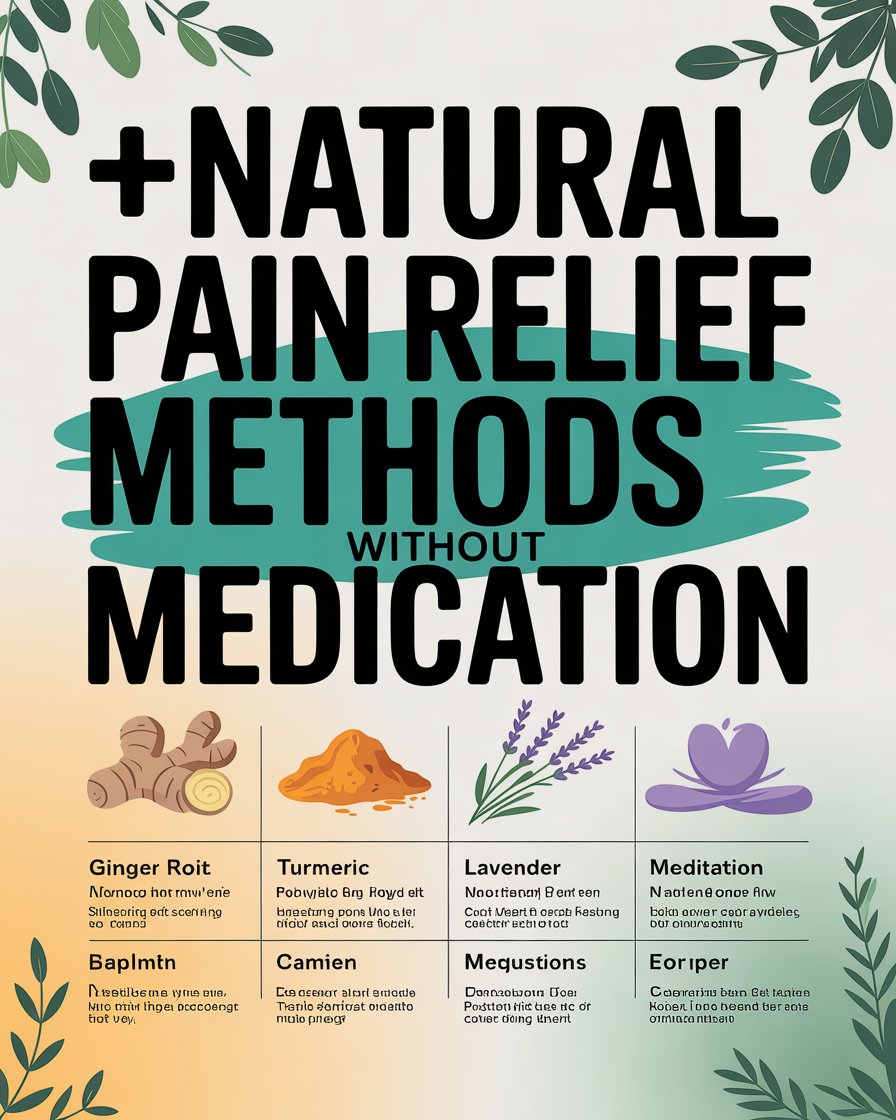
Natural Pain Relief Methods Without Medication
Introduction to Natural Pain Management
Pain is a common experience that can affect people of all ages and lifestyles. While medications are often used to manage discomfort, many individuals seek natural alternatives to reduce pain without relying on drugs. Natural pain relief methods focus on improving the body’s ability to heal itself through lifestyle changes, physical techniques, and holistic practices.
These approaches aim to address not only the symptoms of pain but also the underlying factors that contribute to it. By adopting natural strategies, individuals may improve their overall health while managing pain more sustainably.
Understanding the Root Causes of Pain
Before exploring natural treatments, it is important to understand that pain can originate from various sources such as muscle strain, inflammation, nerve irritation, or chronic health conditions. Stress, poor posture, lack of physical activity, and unhealthy lifestyle habits can also intensify pain over time.
Identifying the root cause allows individuals to choose the most effective natural remedies. A holistic approach considers the physical, mental, and emotional aspects of well-being, which are often interconnected.
The Role of Gentle Exercise
Regular physical activity is one of the most effective natural methods for relieving pain. Gentle exercises such as walking, stretching, swimming, and yoga help improve blood circulation and reduce muscle stiffness. Movement encourages the release of endorphins, which are natural chemicals in the body that help reduce pain.
Consistency is key when using exercise for pain relief. Starting slowly and gradually increasing intensity can help prevent injury while building strength and flexibility.
Stretching and Flexibility Training
Stretching helps loosen tight muscles and improve joint mobility. Many people experience pain due to muscle tension caused by prolonged sitting or repetitive movements. Incorporating daily stretching routines can reduce stiffness and improve posture.
Flexibility exercises can also prevent injuries by preparing the muscles for physical activity. Gentle stretching in the morning and evening may provide significant relief for those dealing with chronic muscle discomfort.
The Benefits of Heat and Cold Therapy
Heat and cold therapy are simple yet effective methods for managing pain naturally. Applying a warm compress or heating pad can help relax muscles and increase blood flow to the affected area. Heat therapy is particularly helpful for muscle stiffness and chronic aches.
Cold therapy, on the other hand, reduces inflammation and numbs sharp pain. Ice packs are often recommended for acute injuries such as sprains or swelling. Alternating between heat and cold can sometimes provide even greater relief.
Massage Therapy for Pain Relief
Massage therapy has been used for centuries to ease muscle tension and improve circulation. By applying pressure to specific areas of the body, massage can help relax tight muscles and reduce stress levels.
Regular massage sessions may also improve flexibility and reduce chronic pain symptoms. Even simple self-massage techniques can provide noticeable relief when practiced consistently.
Mindfulness and Meditation
Pain is not only a physical sensation but also influenced by the mind. Mindfulness and meditation practices help individuals focus on the present moment and reduce stress-related tension in the body.
Research suggests that mindfulness techniques can change how the brain perceives pain signals. Practicing deep breathing, guided meditation, or relaxation exercises may help individuals manage discomfort more effectively.
The Healing Power of Proper Sleep
Quality sleep plays a crucial role in the body’s healing process. Lack of sleep can worsen pain by increasing inflammation and reducing the body’s ability to recover.
Creating a consistent sleep routine, reducing screen time before bed, and maintaining a comfortable sleep environment can significantly improve sleep quality. When the body is well-rested, it becomes more resilient to pain.
Nutrition and Anti-Inflammatory Foods
Diet has a strong impact on inflammation and overall health. Consuming foods rich in antioxidants and healthy fats may help reduce pain naturally. Fruits, vegetables, whole grains, nuts, and fatty fish are often recommended for their anti-inflammatory properties.
Limiting processed foods, excess sugar, and unhealthy fats can also help reduce chronic inflammation. A balanced diet supports the body’s natural ability to repair tissues and manage pain.
Herbal and Natural Remedies
Many herbs have traditionally been used to relieve pain and inflammation. Natural remedies such as turmeric, ginger, and peppermint may help soothe discomfort and support the body’s healing processes.
Herbal teas and natural supplements are commonly used in holistic wellness practices. However, individuals should consult healthcare professionals before starting new supplements to ensure safety and compatibility.
The Importance of Good Posture
Poor posture is a common cause of back, neck, and shoulder pain. Sitting or standing incorrectly for long periods can place excessive strain on muscles and joints.
Improving posture through ergonomic adjustments and awareness can significantly reduce discomfort. Simple changes such as using supportive chairs, adjusting screen height, and practicing posture exercises can make a noticeable difference.
Stress Reduction Techniques
Stress can intensify pain by increasing muscle tension and triggering inflammatory responses in the body. Learning effective stress management techniques can therefore play a major role in pain relief.
Activities such as deep breathing, journaling, spending time in nature, or engaging in hobbies may help reduce stress levels. Managing emotional well-being often leads to improvements in physical health.
Acupuncture and Alternative Therapies
Acupuncture is an ancient practice that involves inserting thin needles into specific points on the body. Many people report pain relief after acupuncture treatments, particularly for conditions such as back pain, headaches, and joint discomfort.
Other complementary therapies such as chiropractic care, reflexology, and aromatherapy may also provide relief. These methods aim to restore balance within the body and support natural healing.
Developing a Personalized Pain Relief Plan
Every individual experiences pain differently, which means there is no single solution that works for everyone. Creating a personalized plan that combines several natural methods often produces the best results.
Keeping track of symptoms, triggers, and helpful practices can help individuals identify what works most effectively for their bodies. Consistency and patience are essential when adopting natural pain management strategies.
Conclusion: Embracing a Holistic Approach to Pain Relief
Natural pain relief methods offer a promising alternative for those seeking to manage discomfort without medication. By focusing on lifestyle improvements, physical activity, stress reduction, and holistic therapies, individuals can support their body’s natural healing processes.
Although results may take time, many people find lasting relief through these approaches. Embracing a balanced and mindful lifestyle can lead to better pain management and overall well-being.