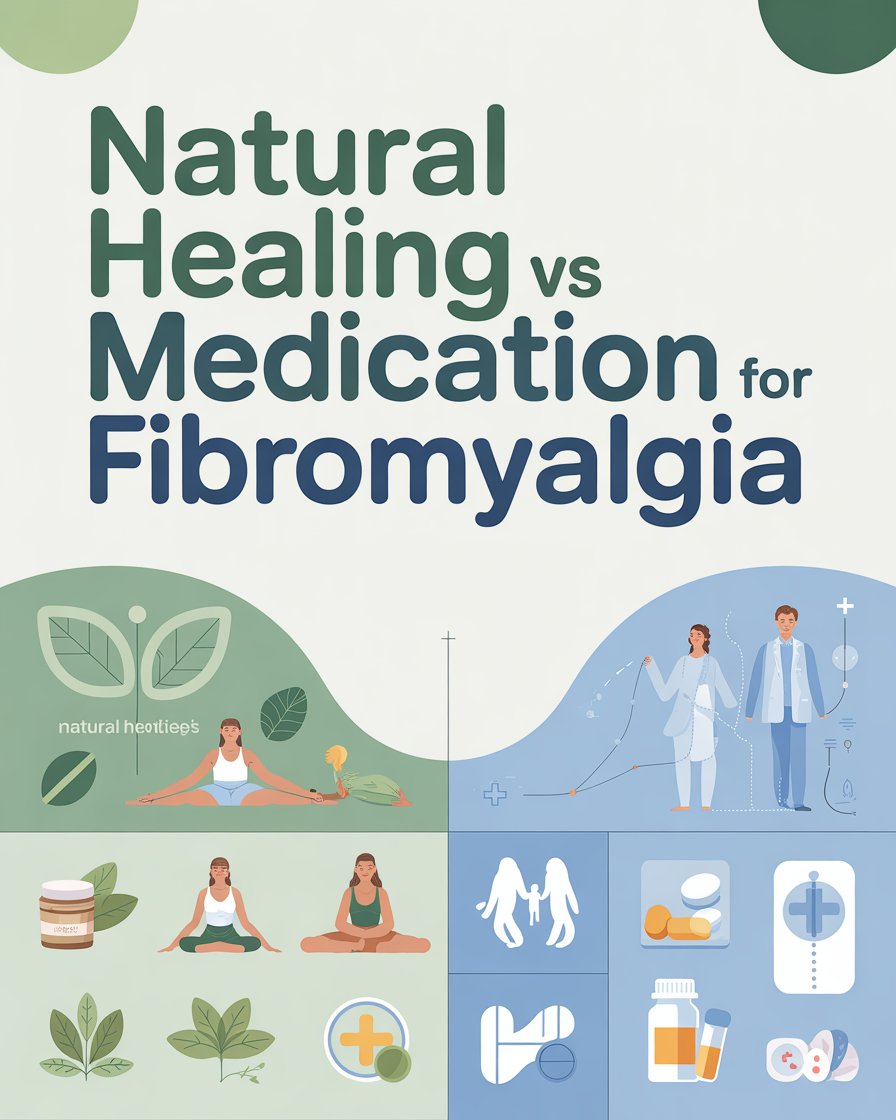
Natural Healing vs Medication for Fibromyalgia
Introduction: Understanding Fibromyalgia
Fibromyalgia is a chronic condition marked by widespread pain, fatigue, sleep disturbances, and cognitive issues often called “fibro fog.” Managing fibromyalgia is challenging because there is no known cure, and symptoms vary widely among patients. People with fibromyalgia often face the choice between traditional medication and natural healing approaches—or a combination of both.
The decision between these approaches depends on symptom severity, lifestyle, personal preference, and how the body responds to different treatments. This guide explores both options, highlighting their benefits, limitations, and practical applications.
The Role of Medication in Fibromyalgia
Medications are often the first line of defense against fibromyalgia symptoms. They can help manage pain, improve sleep quality, and reduce fatigue. Common options include pain relievers, antidepressants, and anticonvulsants, each targeting different aspects of the condition.
While medications can provide significant relief, they often come with side effects, ranging from mild dizziness to gastrointestinal issues. Long-term use may also raise concerns about dependency or diminished effectiveness. Despite this, medication remains a valuable tool for severe symptoms that interfere with daily life.
Pain Relief Medications
Pain management is central to treating fibromyalgia. Over-the-counter painkillers such as acetaminophen or NSAIDs can help reduce mild to moderate discomfort. Prescription options like tramadol or duloxetine are sometimes used for more severe or persistent pain.
However, medication alone rarely addresses all symptoms. Pain may decrease temporarily, but fatigue, sleep disturbances, and cognitive issues often persist. This has led many patients to seek complementary or alternative therapies.
Sleep and Mood Medications
Fibromyalgia often disrupts sleep and contributes to mood disorders. Sleep aids, such as low-dose sedatives or antidepressants, can improve rest, while certain antidepressants may help manage pain and depression simultaneously.
Although these medications can be effective, dependency and side effects are potential concerns. Natural sleep and mood interventions can complement medication to reduce reliance on drugs and enhance overall well-being.
Introduction to Natural Healing
Natural healing approaches focus on lifestyle modifications, nutrition, mind-body practices, and holistic therapies. These methods aim to reduce inflammation, improve circulation, and promote mental and emotional resilience. Many patients report symptom improvement with consistent natural healing practices.
Natural healing is appealing because it emphasizes self-empowerment and long-term wellness. Unlike medication, which often addresses only immediate symptoms, natural approaches can target the root contributors to pain and fatigue.
Exercise and Physical Therapy
Gentle exercise is one of the most effective natural strategies for managing fibromyalgia. Low-impact activities such as swimming, walking, yoga, and stretching improve circulation, reduce stiffness, and release endorphins, which act as natural painkillers.
Physical therapy can also help correct posture, strengthen muscles, and prevent injury, further reducing symptom severity. Gradual, consistent activity is key, as overexertion can trigger flare-ups.
Nutrition and Dietary Interventions
Diet plays a significant role in natural healing. Anti-inflammatory foods, whole grains, lean protein, fruits, and vegetables can support overall health and reduce symptom severity. Some patients benefit from limiting processed foods, sugar, caffeine, and alcohol, which may exacerbate pain and fatigue.
Hydration and balanced meals also help stabilize energy levels, improving alertness and reducing fibro fog. Although no specific diet cures fibromyalgia, nutrition is a vital tool in managing the condition.
Mind-Body Practices
Mind-body techniques such as meditation, mindfulness, tai chi, and deep-breathing exercises can reduce stress and improve pain tolerance. Stress is a known trigger for fibromyalgia flare-ups, and these practices help regulate the nervous system.
Additionally, cognitive-behavioral therapy (CBT) is often used to help patients reframe pain perceptions, manage anxiety, and develop coping strategies, complementing both medication and physical interventions.
Herbal and Alternative Therapies
Some patients explore herbal supplements and complementary therapies, such as acupuncture, massage, and aromatherapy. These approaches can relieve pain, improve sleep, and enhance mood, though scientific evidence varies. Consulting healthcare professionals is essential before combining supplements with prescription medications.
Alternative therapies often appeal to individuals seeking fewer side effects or more natural options. They can also empower patients by giving them active roles in managing their health.
Comparing Effectiveness
Medication generally provides faster and more predictable relief, especially for severe pain and sleep disturbances. Natural healing takes longer to show results but can address multiple symptoms simultaneously and support overall health.
Many patients find that combining both approaches yields the best outcomes. For example, medications may help control intense pain, while natural strategies improve sleep, reduce stress, and enhance mobility.
Risks and Side Effects
Medications carry risks including side effects, drug interactions, and dependency concerns. Natural healing approaches are generally safer but require commitment and consistency. Overexertion, improper supplementation, or unverified therapies can occasionally cause harm, so careful guidance is essential.
Understanding the risks and benefits of each option helps patients make informed decisions tailored to their unique needs and lifestyle.
Creating a Personalized Plan
An effective fibromyalgia management plan often integrates medication with natural healing. Patients may start with medication to stabilize symptoms, then gradually incorporate exercise, dietary changes, and mind-body techniques to maintain long-term wellness.
Tracking symptoms, triggers, and progress helps refine the plan over time. Collaboration with healthcare providers ensures safe and balanced management.
Empowering Self-Care
Self-care is at the heart of natural healing. Listening to one’s body, pacing activities, prioritizing rest, and practicing stress-reduction techniques can significantly improve quality of life. Educating oneself about fibromyalgia and actively engaging in treatment fosters empowerment and resilience.
Balancing self-care with medical guidance allows patients to feel in control while still benefiting from scientific advances in treatment.
Conclusion: Finding the Right Balance
Choosing between natural healing and medication is not an either/or decision. Both approaches offer valuable benefits and can complement each other. Medications provide symptom control, while natural healing promotes overall well-being and resilience.
Ultimately, a personalized, flexible plan that combines medical support with holistic practices gives individuals the best chance to manage fibromyalgia effectively and live a more fulfilling life.

Related Posts