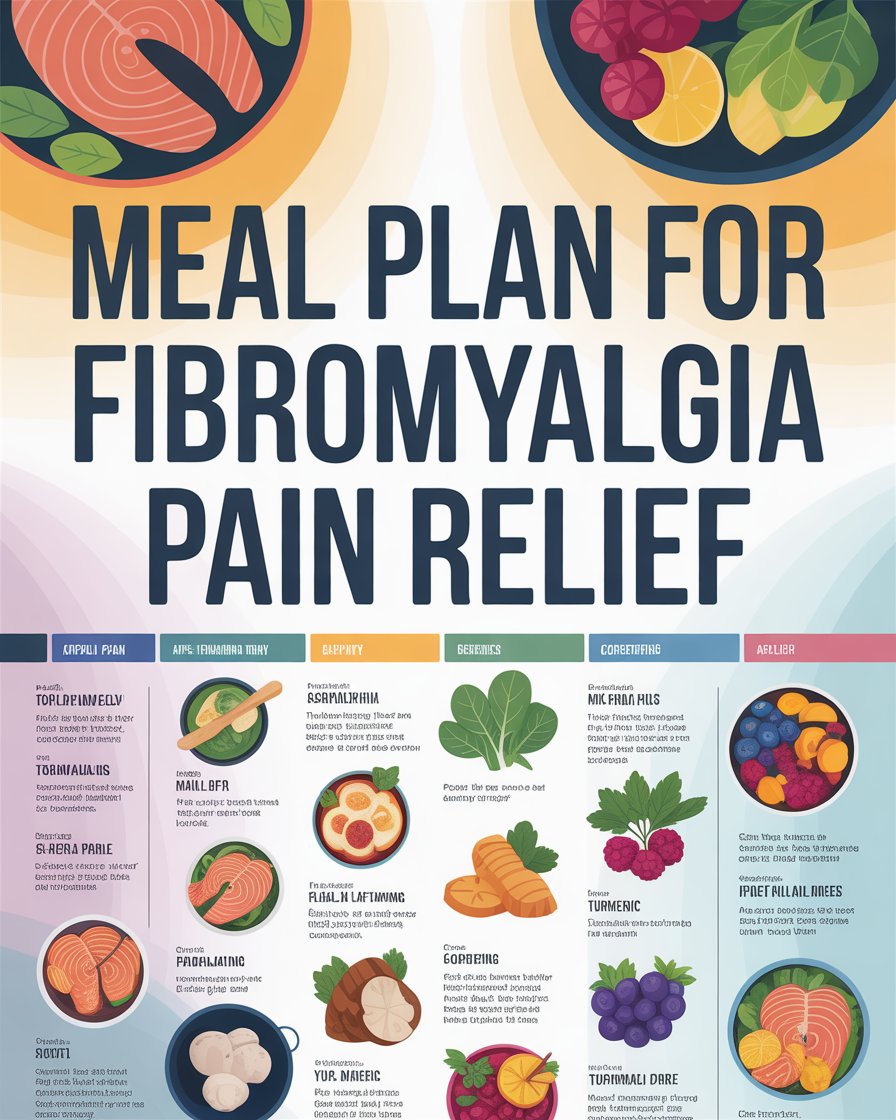
Meal Plan for Fibromyalgia Pain Relief
Understanding the Role of Diet in Fibromyalgia
Fibromyalgia is a chronic condition characterized by widespread pain, fatigue, and sleep disturbances. While there is no single cure, lifestyle choices—especially diet—can play an important role in managing symptoms. Certain foods may help reduce inflammation, support energy levels, and improve overall well-being.
A carefully planned meal routine can help stabilize blood sugar, provide essential nutrients, and reduce common triggers that may worsen fibromyalgia symptoms. Though diet alone cannot eliminate the condition, it can be a valuable part of a comprehensive symptom management strategy.
Why Nutrition Matters for Fibromyalgia
People with fibromyalgia often experience chronic fatigue and sensitivity to stress. Nutrient-rich foods help support the nervous system and improve energy production in the body. Vitamins, minerals, and antioxidants found in whole foods can help reduce oxidative stress and support cellular health.
Balanced nutrition may also help improve sleep quality and digestive health—two areas that frequently affect individuals living with fibromyalgia. When the body receives consistent nourishment, it becomes easier to maintain energy throughout the day.
Key Nutrients That Support Pain Relief
Certain nutrients are especially beneficial for people managing fibromyalgia symptoms. Magnesium plays an important role in muscle relaxation and nerve function, while vitamin D supports immune health and bone strength. Omega-3 fatty acids are also known for their anti-inflammatory properties.
In addition, B vitamins contribute to energy production and nervous system function. Including foods rich in these nutrients can help support overall symptom management and reduce the intensity of fatigue and discomfort.
Foods That May Help Reduce Inflammation
An anti-inflammatory diet may help minimize pain flare-ups. Foods such as leafy greens, berries, fatty fish, nuts, and olive oil are rich in antioxidants and healthy fats that help combat inflammation.
Whole foods also contain fiber and phytonutrients that support gut health. A balanced digestive system may help improve nutrient absorption and reduce symptoms like bloating or fatigue.
Foods to Limit or Avoid
Some foods may worsen fibromyalgia symptoms in certain individuals. Highly processed foods, refined sugars, and excessive caffeine may contribute to inflammation, energy crashes, and sleep disturbances.
Artificial additives and preservatives may also trigger sensitivity in some people. Limiting these ingredients and focusing on whole, minimally processed foods can support a more stable and nourishing diet.
Creating a Balanced Daily Meal Plan
A fibromyalgia-friendly meal plan should include a balance of protein, healthy fats, and complex carbohydrates. This combination helps stabilize blood sugar levels and provides sustained energy throughout the day.
Spacing meals evenly and avoiding long gaps between eating can also help prevent fatigue and irritability. Small, balanced meals and snacks may be easier for some individuals to tolerate.
Sample Breakfast Options
Breakfast should provide steady energy to start the day. A bowl of oatmeal topped with berries and nuts offers fiber, antioxidants, and healthy fats. Greek yogurt with chia seeds and fruit is another nutrient-dense option.
Eggs with whole-grain toast and avocado can also provide protein and healthy fats that support sustained energy levels. These choices help reduce morning fatigue and prepare the body for the day ahead.
Mid-Morning Snack Ideas
Snacks can help maintain steady energy levels between meals. Fresh fruit with almond butter provides natural sugars along with protein and healthy fats.
Another option is a handful of mixed nuts or a smoothie made with spinach, banana, and plant-based milk. These snacks offer vitamins and minerals that support muscle and nerve health.
Nutritious Lunch Choices
Lunch should be balanced and satisfying without causing sluggishness. A grilled chicken salad with leafy greens, olive oil, and colorful vegetables provides protein, fiber, and anti-inflammatory nutrients.
Quinoa bowls with roasted vegetables and salmon are another excellent option. These meals provide complex carbohydrates and omega-3 fatty acids that may help reduce inflammation.
Afternoon Energy Boost
Many individuals with fibromyalgia experience an afternoon energy slump. A light snack such as hummus with carrot sticks or whole-grain crackers can help maintain blood sugar levels.
Herbal teas or infused water can also help maintain hydration, which plays an important role in muscle function and overall energy.
Dinner for Pain Management
Dinner should focus on nourishing the body while supporting restful sleep. Grilled fish with steamed vegetables and brown rice offers a balanced combination of protein, fiber, and healthy fats.
Stir-fried vegetables with tofu or lean turkey can also provide essential nutrients without feeling too heavy before bedtime.
Hydration and Fibromyalgia
Staying hydrated is essential for muscle function and energy levels. Dehydration may worsen fatigue and headaches, which are common symptoms of fibromyalgia.
Water, herbal teas, and low-sugar beverages can help maintain hydration throughout the day. Limiting sugary drinks can also help prevent energy crashes.
The Importance of Consistency
Consistency in meal timing and food quality can help stabilize the body’s natural rhythms. Eating at regular intervals helps prevent extreme hunger and energy fluctuations.
Over time, maintaining a balanced meal routine can contribute to improved energy, better digestion, and fewer symptom flare-ups.
Personalizing Your Fibromyalgia Diet
Every individual experiences fibromyalgia differently, so dietary responses can vary. Keeping a food journal may help identify specific foods that trigger or relieve symptoms.
Working with a healthcare professional or registered dietitian can also help create a personalized meal plan tailored to individual nutritional needs and lifestyle preferences.
Building a Sustainable Eating Routine
A sustainable meal plan focuses on realistic and enjoyable food choices rather than strict restrictions. Simple cooking methods, meal preparation, and accessible ingredients can make healthy eating easier to maintain.
By prioritizing nutrient-rich foods and consistent eating habits, individuals with fibromyalgia can support their bodies in managing symptoms and improving overall quality of life.