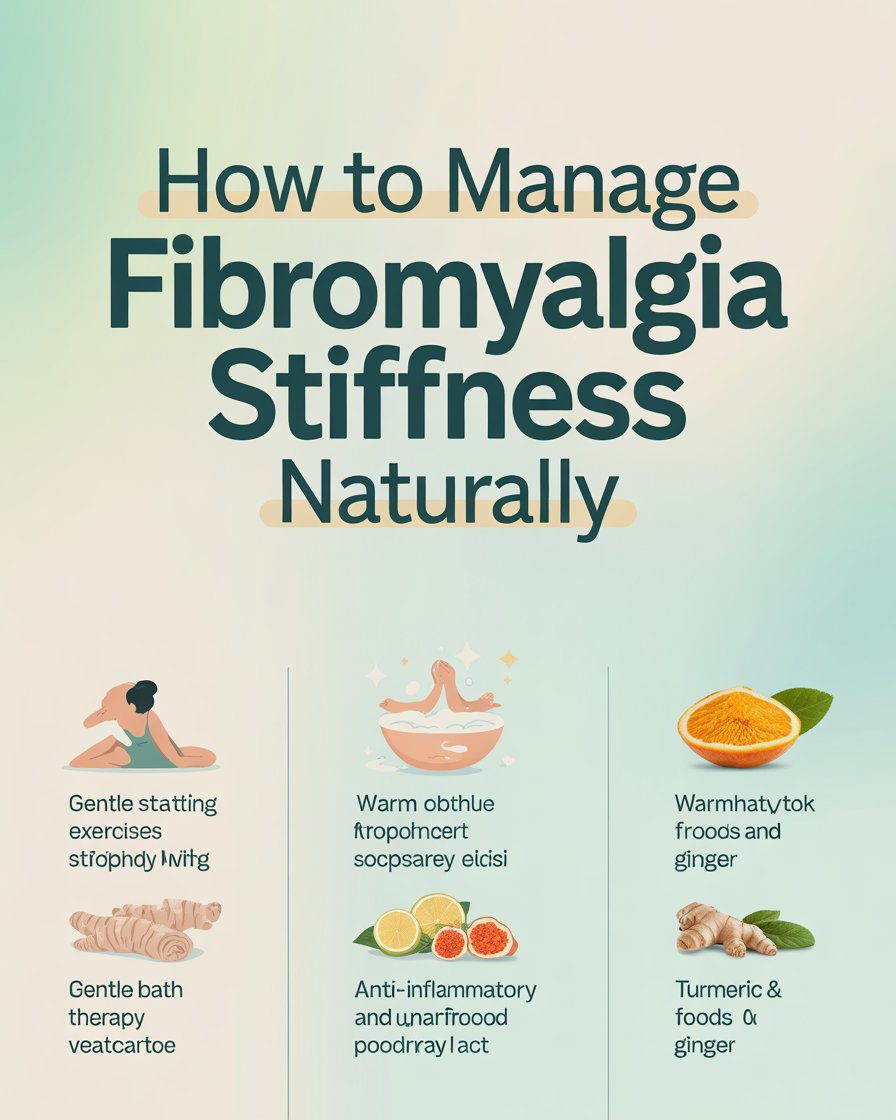
How to Manage Fibromyalgia Stiffness Naturally
Understanding Fibromyalgia Stiffness
Fibromyalgia is a chronic condition that causes widespread pain, fatigue, and stiffness. Stiffness often affects the muscles, joints, and connective tissues, making it difficult to move freely. This symptom is usually more intense in the morning or after periods of inactivity. Understanding why stiffness occurs is the first step toward managing it effectively.
Fibromyalgia stiffness is primarily caused by abnormal pain processing in the nervous system, often referred to as central sensitization. This heightened sensitivity makes ordinary movements feel painful, and muscles can feel tight and sore even without overexertion.
Importance of Gentle Movement
While it may seem counterintuitive, gentle movement is one of the most effective ways to reduce stiffness. Regular, low-impact exercises help maintain joint flexibility and improve blood flow, which can ease muscle tension. Activities like walking, swimming, or yoga are highly recommended.
Consistency matters more than intensity. Starting with short, manageable sessions and gradually increasing activity helps prevent flare-ups while supporting mobility. Incorporating stretching routines into daily life can further reduce stiffness and improve overall comfort.
Stretching Techniques for Fibromyalgia
Targeted stretching helps release muscle tension and improve range of motion. Focus on areas prone to stiffness, such as the neck, shoulders, lower back, and hips. Stretching should be slow and gentle—never push into pain.
Dynamic stretches, like gentle arm swings or leg lifts, can be effective in the morning to reduce morning stiffness. Static stretches held for 20–30 seconds each can help relax muscles throughout the day.
The Role of Heat Therapy
Heat therapy is a natural and effective way to ease fibromyalgia stiffness. Warm showers, heating pads, or warm baths relax muscles, improve circulation, and reduce discomfort. Heat can be especially beneficial before stretching or exercising.
Some people also find relief from contrast therapy, alternating warm and cool treatments, which can stimulate blood flow and reduce stiffness. Always pay attention to skin tolerance to avoid burns or irritation.
Benefits of Massage and Myofascial Release
Massage therapy can provide significant relief from stiffness in fibromyalgia. Gentle techniques help reduce muscle tension, improve circulation, and promote relaxation. Myofascial release, which focuses on connective tissue, can further relieve tight areas.
Even self-massage using foam rollers or massage balls can help loosen stiff muscles. Regular sessions, even if brief, contribute to long-term comfort and mobility.
Mind-Body Approaches
Stress and tension often exacerbate stiffness. Mind-body practices such as meditation, deep breathing, tai chi, and gentle yoga can reduce overall tension and lower pain sensitivity. These techniques promote relaxation, which can indirectly improve stiffness.
Regular mindfulness practice may also improve sleep quality, which is essential for muscle recovery and reducing fibromyalgia symptoms.
Importance of Proper Sleep
Sleep disturbances worsen stiffness and overall pain in fibromyalgia. Prioritizing quality sleep allows muscles and joints to recover, reducing morning stiffness and fatigue. Establishing a consistent sleep schedule and creating a calm, dark sleeping environment can help.
Avoid caffeine, heavy meals, and electronic screens before bed. Some people benefit from using supportive pillows or mattresses to minimize joint strain while sleeping.
Anti-Inflammatory Nutrition
Although fibromyalgia is not a classic inflammatory condition, certain dietary choices can help reduce stiffness and improve overall comfort. A diet rich in fruits, vegetables, whole grains, lean proteins, and omega-3 fatty acids can support muscle and joint health.
Limiting processed foods, sugar, and excessive caffeine may also reduce symptom severity. Staying hydrated is equally important to maintain tissue flexibility and circulation.
Herbal and Natural Remedies
Some natural remedies may help reduce stiffness. Turmeric, ginger, and magnesium supplements are often suggested for muscle relaxation. Essential oils like lavender or eucalyptus, used in aromatherapy or topical applications, may also provide relief.
Before starting any supplement, it’s important to consult a healthcare provider, as interactions with medications are possible.
Pacing and Activity Management
Learning to pace daily activities is crucial for minimizing stiffness and preventing flare-ups. Break tasks into smaller steps, alternate periods of activity with rest, and avoid overexertion.
Using ergonomic tools and adaptive techniques can reduce strain on muscles and joints, helping maintain mobility and reduce stiffness throughout the day.
Hydration and Muscle Health
Staying well-hydrated supports muscle function and flexibility. Dehydrated muscles can become tight and more prone to stiffness. Drinking water consistently throughout the day, especially before and after exercise, is a simple yet effective strategy.
Incorporating electrolyte-rich fluids or foods can further support proper muscle function and prevent cramps.
Maintaining a Fibromyalgia-Friendly Routine
Consistency is key to managing stiffness naturally. Establishing a daily routine that includes gentle movement, stretching, heat therapy, mindfulness, and proper nutrition helps keep symptoms under control.
Small, daily habits often produce better results than occasional intense efforts. Tracking progress in a journal can help identify what works best for each individual.
Building a Support Network
Fibromyalgia can be isolating, and emotional stress can worsen stiffness. Support from family, friends, or online communities can provide encouragement, accountability, and shared strategies for managing stiffness naturally.
Discussing symptoms with healthcare providers regularly ensures that natural methods complement medical care safely.
When to Seek Medical Advice
While natural approaches can significantly reduce stiffness, persistent or worsening symptoms should be evaluated by a healthcare professional. Sometimes stiffness may indicate other musculoskeletal or neurological conditions that require specialized treatment.
A collaborative approach combining medical care, lifestyle strategies, and self-care practices is most effective for long-term management.
Living Well with Fibromyalgia
Managing fibromyalgia stiffness naturally is possible with a combination of gentle movement, stretching, heat therapy, mindful practices, nutrition, and pacing. With patience, consistency, and self-awareness, individuals can maintain mobility, reduce discomfort, and improve their quality of life.

Related Posts