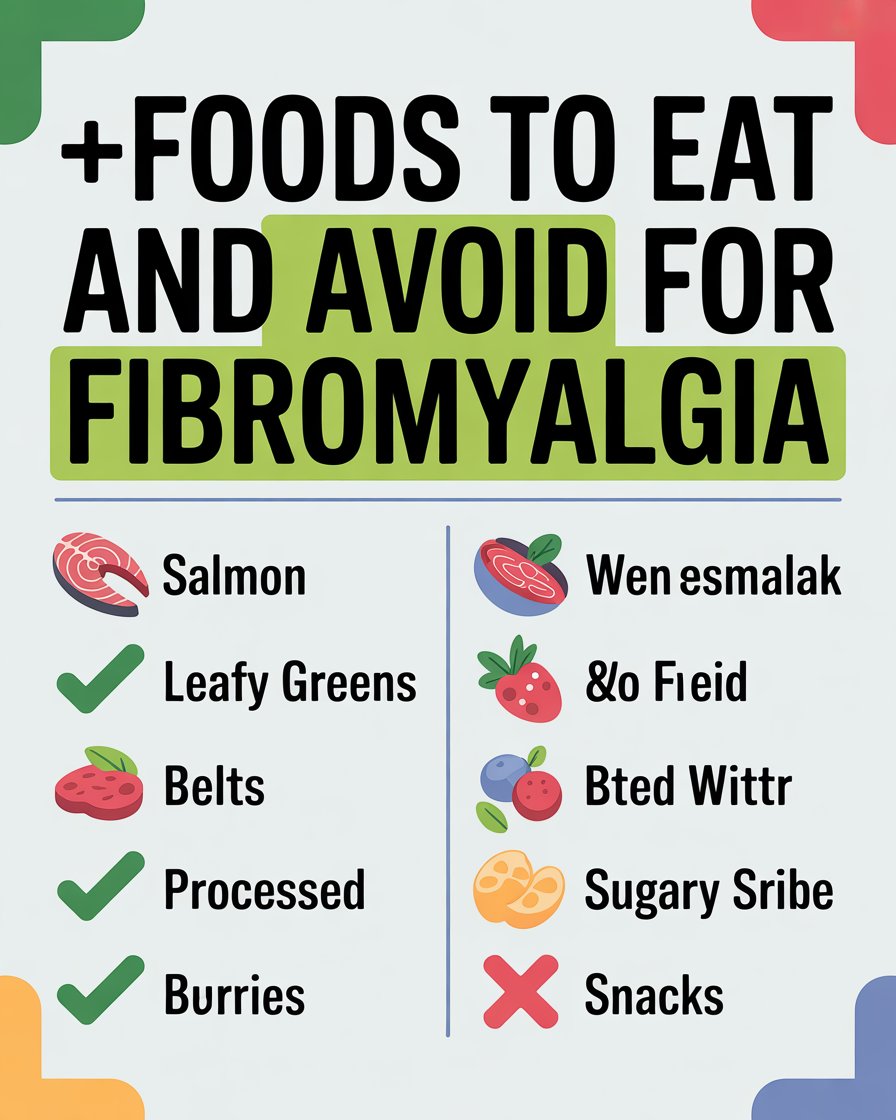
Foods to Eat and Avoid for Fibromyalgia
Understanding the Role of Diet in Fibromyalgia
Fibromyalgia is a chronic condition that causes widespread pain, fatigue, sleep disturbances, and cognitive difficulties. While there is no specific diet that cures fibromyalgia, many people find that certain foods can either improve their symptoms or trigger painful flare-ups. Nutrition plays an important role in supporting the body’s overall health, energy levels, and inflammation control.
A balanced and mindful diet can help people with fibromyalgia manage symptoms more effectively. By choosing nutrient-rich foods and avoiding potential triggers, individuals may experience improved energy, reduced inflammation, and better overall well-being.
Why Diet Matters for Fibromyalgia
People with fibromyalgia often experience heightened sensitivity to pain due to changes in the nervous system. Some foods may increase inflammation, disrupt sleep, or worsen fatigue, making symptoms more difficult to manage. On the other hand, healthy foods can support the immune system, stabilize blood sugar levels, and promote better energy.
Although dietary triggers can vary from person to person, many patients report noticeable improvements when they follow a clean and balanced eating pattern. Paying attention to how different foods affect the body can be a powerful step toward symptom control.
Anti-Inflammatory Foods to Include
Inflammation can worsen pain and fatigue, which is why anti-inflammatory foods are often recommended for fibromyalgia management. Fruits, vegetables, whole grains, nuts, and healthy fats are rich in antioxidants and essential nutrients that help protect the body’s cells.
Foods such as leafy greens, berries, tomatoes, and fatty fish contain compounds that help reduce inflammation and support overall health. Including these foods regularly may help ease some fibromyalgia symptoms over time.
Lean Proteins for Energy and Muscle Health
Protein is essential for maintaining muscle strength and providing steady energy throughout the day. Many people with fibromyalgia struggle with fatigue, so incorporating high-quality protein into meals can help maintain stamina.
Lean protein sources such as chicken, fish, eggs, tofu, beans, and lentils are excellent choices. These foods support muscle repair and help the body function efficiently without adding excessive unhealthy fats.
Healthy Fats That Support the Nervous System
Healthy fats are important for brain and nerve health, which is especially relevant for people living with fibromyalgia. Omega-3 fatty acids are known for their anti-inflammatory properties and may help reduce pain sensitivity.
Foods such as salmon, walnuts, chia seeds, flaxseeds, and olive oil are rich in beneficial fats. Adding these foods to the diet may help support the nervous system and improve overall health.
Whole Grains for Sustained Energy
Whole grains provide complex carbohydrates that release energy slowly throughout the day. This steady energy supply can help combat fatigue, a common symptom of fibromyalgia.
Foods like brown rice, quinoa, oats, and whole wheat products contain fiber, vitamins, and minerals that support digestion and energy balance. Choosing whole grains instead of refined carbohydrates can help prevent energy crashes.
Fruits and Vegetables Rich in Antioxidants
Fruits and vegetables are packed with vitamins, minerals, and antioxidants that help protect the body from oxidative stress. Since fibromyalgia is often associated with increased stress on the body, these nutrients play a valuable role in maintaining health.
Colorful produce such as berries, oranges, spinach, carrots, and bell peppers provide essential nutrients that support immune function and reduce inflammation.
The Importance of Hydration
Proper hydration is often overlooked but is crucial for people with fibromyalgia. Dehydration can worsen fatigue, headaches, and muscle pain. Drinking enough water helps maintain energy levels and supports healthy body functions.
Limiting sugary beverages and choosing water, herbal teas, or infused water can help maintain hydration without unnecessary additives.
Foods That May Trigger Fibromyalgia Symptoms
Certain foods may worsen symptoms or trigger flare-ups in some individuals. Highly processed foods often contain additives, preservatives, and unhealthy fats that may increase inflammation and fatigue.
Keeping a food journal can help identify specific triggers. Everyone’s body reacts differently, so tracking symptoms after meals may reveal patterns that help guide dietary choices.
Processed Foods to Limit
Processed foods are often high in refined sugars, unhealthy fats, and artificial ingredients. These components may increase inflammation and contribute to energy crashes.
Fast foods, packaged snacks, and heavily processed meals can worsen fatigue and discomfort. Reducing these foods and replacing them with fresh, whole ingredients is a beneficial step for overall health.
Sugar and Refined Carbohydrates
Excess sugar can cause spikes and crashes in blood sugar levels, leading to fatigue and mood swings. For people with fibromyalgia, these fluctuations can make symptoms feel even more intense.
Limiting sweets, sugary drinks, and refined carbohydrates like white bread and pastries may help stabilize energy and reduce fatigue throughout the day.
Caffeine and Its Potential Effects
Caffeine can temporarily boost energy, but excessive consumption may interfere with sleep quality. Since many people with fibromyalgia already struggle with sleep disturbances, too much caffeine can worsen the problem.
Moderating caffeine intake and avoiding it later in the day can support better sleep patterns and help reduce nighttime restlessness.
Food Additives and Artificial Ingredients
Certain additives such as monosodium glutamate (MSG) and artificial sweeteners have been reported by some individuals to trigger symptoms like headaches or increased pain.
Although scientific evidence is mixed, some people find relief by avoiding foods containing these ingredients. Choosing fresh, minimally processed foods is generally a healthier approach.
Creating a Fibromyalgia-Friendly Diet Plan
Building a diet that supports fibromyalgia management involves focusing on whole, nutrient-dense foods while minimizing potential triggers. Planning balanced meals with lean protein, healthy fats, whole grains, and plenty of fruits and vegetables can provide steady energy.
Consistency is key. Small dietary adjustments made over time can lead to noticeable improvements in overall health and symptom control.
Listening to Your Body
Each person’s experience with fibromyalgia is unique, and dietary responses may vary. Paying attention to how the body reacts to certain foods can help individuals create a personalized eating plan that works best for them.
By prioritizing nourishing foods, staying hydrated, and limiting potential triggers, people with fibromyalgia can support their bodies and take meaningful steps toward improving their daily quality of life.