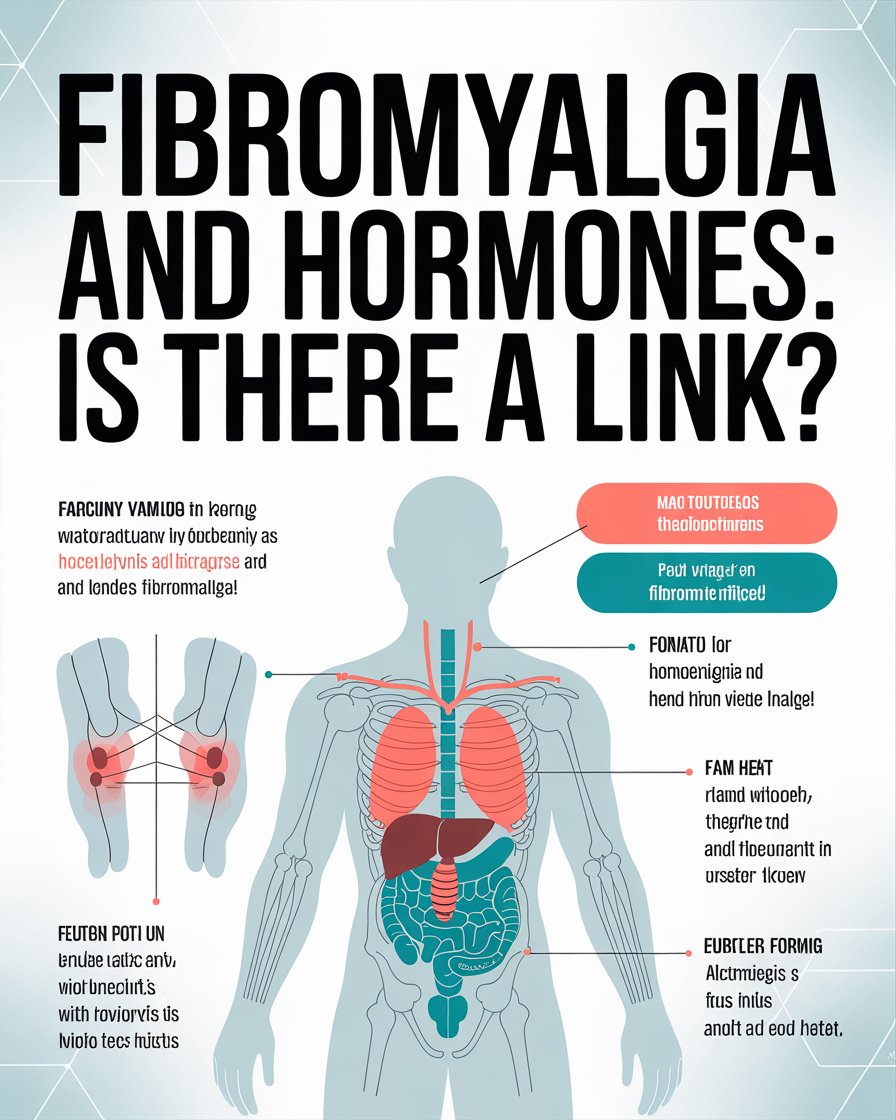
Fibromyalgia and Hormones: Is There a Link?
Introduction to Fibromyalgia
Fibromyalgia is a chronic pain condition marked by widespread musculoskeletal discomfort, fatigue, sleep disturbances, and cognitive challenges often referred to as “fibro fog.” It affects millions of people worldwide and is more commonly diagnosed in women than men. Although the exact cause remains unclear, growing research suggests that hormonal imbalances may play a role in symptom development and severity.
Understanding the relationship between fibromyalgia and hormones may provide deeper insight into why symptoms fluctuate and why certain life stages—such as puberty, pregnancy, or menopause—can influence the condition.
Why Hormones Matter
Hormones are chemical messengers that regulate essential bodily functions, including metabolism, sleep, mood, stress response, and pain perception. When hormone levels shift or become imbalanced, multiple systems in the body can be affected.
Because fibromyalgia involves changes in pain processing within the nervous system, it makes sense to explore whether hormonal fluctuations may amplify or trigger symptoms in susceptible individuals.
The Role of Estrogen
Estrogen is one of the primary female sex hormones and plays a key role in regulating pain sensitivity. Research indicates that low estrogen levels may increase pain perception by affecting neurotransmitters involved in pain signaling.
This may help explain why fibromyalgia symptoms often worsen during menstruation, postpartum periods, or menopause—times when estrogen levels fluctuate significantly.
Progesterone and Pain Modulation
Progesterone works alongside estrogen to maintain hormonal balance. It has calming effects on the nervous system and may help reduce inflammation and nerve sensitivity.
When progesterone levels drop, some individuals report heightened pain, anxiety, and sleep disturbances—symptoms commonly associated with fibromyalgia.
Testosterone and Fibromyalgia
Although often considered a male hormone, testosterone is present in both men and women. Low testosterone levels have been linked to fatigue, muscle weakness, and reduced pain tolerance.
Some small studies suggest that individuals with fibromyalgia may have lower-than-average testosterone levels, potentially contributing to symptom severity.
The Stress Hormone: Cortisol
Cortisol is produced by the adrenal glands and plays a central role in the body’s stress response. In healthy individuals, cortisol levels follow a daily rhythm, rising in the morning and falling at night.
In people with fibromyalgia, this rhythm may be disrupted. Some research indicates abnormal cortisol patterns, which could contribute to chronic fatigue, sleep problems, and heightened pain sensitivity.
Thyroid Hormones and Symptom Overlap
Thyroid hormones regulate metabolism, energy production, and temperature control. Hypothyroidism (an underactive thyroid) shares many symptoms with fibromyalgia, including fatigue, weight changes, and depression.
While fibromyalgia is not a thyroid disorder, some patients have coexisting thyroid imbalances, making hormone testing an important part of evaluation.
Menstrual Cycle and Symptom Fluctuations
Many women with fibromyalgia report worsening pain, migraines, and fatigue during certain phases of their menstrual cycle. These changes often correlate with declining estrogen and progesterone levels before menstruation.
Tracking symptoms alongside the menstrual cycle may help individuals identify patterns and anticipate flare-ups.
Pregnancy and Fibromyalgia
Pregnancy triggers dramatic hormonal changes. Some women experience temporary relief from fibromyalgia symptoms during pregnancy, while others notice worsening discomfort.
The postpartum period, marked by rapid hormonal shifts, can also intensify fatigue and pain, suggesting that hormonal fluctuations play a meaningful role.
Menopause and Fibromyalgia
Menopause is a major hormonal transition characterized by declining estrogen levels. Many women report that fibromyalgia symptoms intensify during perimenopause and menopause.
Hot flashes, sleep disturbances, and mood swings may compound existing fibromyalgia symptoms, making this life stage particularly challenging.
Hormones and Sleep Disruption
Hormones strongly influence sleep quality. Melatonin, cortisol, estrogen, and progesterone all contribute to regulating sleep-wake cycles.
Because restorative sleep is essential for pain regulation, hormonal imbalances that disrupt sleep may indirectly worsen fibromyalgia symptoms.
The Brain-Hormone Connection
Fibromyalgia is associated with altered neurotransmitter activity in the brain, including serotonin and dopamine imbalances. Hormones directly influence these chemical messengers.
For example, estrogen supports serotonin production, which helps regulate mood and pain. When estrogen declines, serotonin levels may drop, potentially increasing sensitivity to pain.
Can Hormone Therapy Help?
Hormone replacement therapy (HRT) has been explored in some women with fibromyalgia, particularly during menopause. While some report symptom improvement, results are mixed, and treatment must be individualized.
Before considering hormone therapy, individuals should consult healthcare providers to assess risks, benefits, and overall hormonal health.
Lifestyle Strategies to Support Hormonal Balance
Balanced nutrition, regular physical activity, stress management, and quality sleep all contribute to stable hormone function. Managing stress is particularly important, as chronic stress can disrupt cortisol balance.
Maintaining a consistent daily routine and pacing activities can help minimize hormonal strain on the body.
Conclusion: A Complex but Meaningful Connection
While fibromyalgia is not solely a hormonal disorder, evidence suggests that hormones influence symptom intensity and fluctuation. Estrogen, progesterone, testosterone, cortisol, and thyroid hormones may all play contributing roles.
Understanding this connection empowers individuals to track patterns, seek appropriate medical evaluation, and adopt lifestyle strategies that support hormonal health. Continued research will help clarify how deeply hormones influence fibromyalgia and guide more personalized treatment approaches.