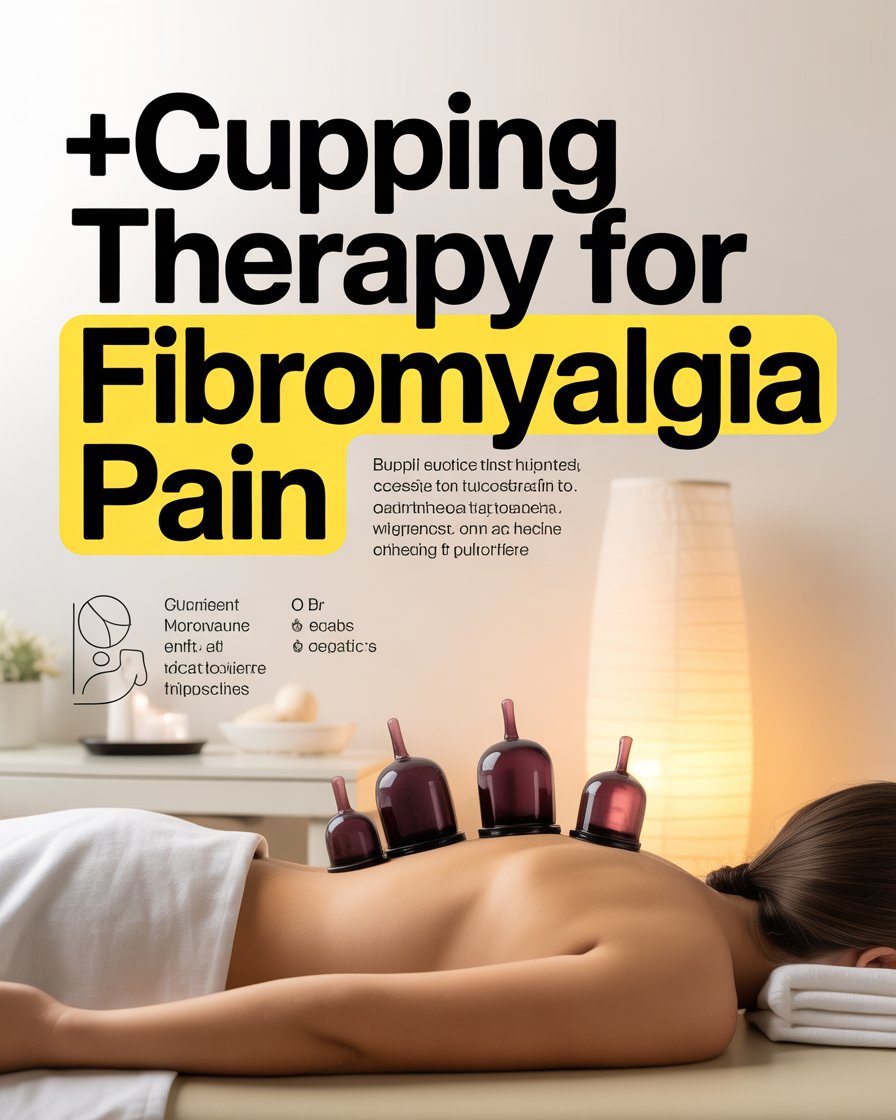
Cupping Therapy for Fibromyalgia Pain
Introduction to Fibromyalgia Pain
Fibromyalgia is a chronic condition known for causing widespread pain, fatigue, and sensitivity throughout the body. People living with this condition often experience persistent muscle soreness, stiffness, and episodes of intensified pain known as flare-ups. Because fibromyalgia affects the nervous system’s ability to process pain signals, even mild pressure can feel overwhelming.
Managing fibromyalgia pain can be challenging, and many individuals explore complementary therapies alongside conventional medical treatments. One alternative approach gaining attention is cupping therapy, an ancient healing technique believed to relieve muscle tension and improve circulation.
What Is Cupping Therapy?
Cupping therapy is a traditional treatment that involves placing special cups on the skin to create suction. This suction gently pulls the skin upward, which may help increase blood flow and stimulate healing in the affected area. The cups are typically made from glass, silicone, bamboo, or plastic.
The practice has been used for centuries in various cultures as a method to relieve pain, promote relaxation, and support overall wellness. Today, cupping therapy is commonly used by athletes and individuals seeking relief from chronic muscle discomfort.
How Cupping Therapy Works
Cupping works by creating negative pressure on the skin. When suction is applied, it draws blood toward the surface and may help relax tight muscles and fascia. Increased circulation can help deliver oxygen and nutrients to tissues while removing metabolic waste.
For people with fibromyalgia, this improved circulation may help reduce muscle stiffness and ease localized pain. The gentle lifting of tissue can also stimulate nerve endings, which may alter how the brain perceives pain signals.
Types of Cupping Therapy
There are several forms of cupping therapy used in modern practice. Dry cupping is the most common method and involves placing cups on the skin to create suction without any additional procedures. The cups typically remain in place for several minutes.
Another variation is moving cupping, where a therapist glides the cups across the skin after applying oil. Wet cupping, which involves small incisions to draw blood, is practiced in some traditional medicine systems but is less commonly used for fibromyalgia treatment.
Potential Benefits for Fibromyalgia
Many individuals with fibromyalgia report that cupping therapy helps reduce muscle pain and tension. The suction created by the cups may loosen tight connective tissue and promote relaxation, which can ease discomfort.
Another potential benefit is stress relief. Since stress often triggers fibromyalgia flare-ups, therapies that encourage relaxation may indirectly improve symptoms. Some patients also report improved mobility and a temporary reduction in fatigue after sessions.
Scientific Research and Evidence
While cupping therapy has a long history, scientific research on its effectiveness for fibromyalgia is still developing. Some small studies suggest that cupping may help reduce pain intensity and improve quality of life in people with chronic pain conditions.
However, experts agree that more large-scale clinical trials are needed to fully understand its benefits. Currently, cupping therapy is generally considered a complementary therapy rather than a standalone treatment.
What Happens During a Cupping Session
A typical cupping session begins with the practitioner placing cups on specific areas of the body, often the back, shoulders, or neck. The suction may be created using heat or a mechanical pump. The cups usually remain in place for five to fifteen minutes.
During the session, patients often feel a gentle pulling sensation on the skin. Many people describe the experience as relaxing rather than painful, although mild pressure is common.
The Circular Marks After Cupping
One noticeable effect of cupping therapy is the circular marks that appear on the skin after treatment. These marks are not bruises but rather signs of increased blood flow to the area. They typically fade within a few days.
For individuals with fibromyalgia, the presence and intensity of these marks can vary depending on skin sensitivity and circulation.
Safety Considerations
Cupping therapy is generally considered safe when performed by a trained professional. However, people with certain medical conditions should consult their healthcare provider before trying it. Those with bleeding disorders, skin infections, or severe skin sensitivity should exercise caution.
Mild side effects may include temporary soreness, redness, or skin irritation. Proper hygiene and professional training are important to minimize risks.
Combining Cupping with Other Treatments
For fibromyalgia management, cupping therapy is often most effective when combined with other treatment strategies. These may include medication, physical therapy, gentle exercise, and stress management techniques.
Integrating multiple approaches can address the various aspects of fibromyalgia, from pain and fatigue to sleep disturbances and emotional stress.
The Role of Relaxation in Pain Relief
Relaxation plays a crucial role in managing fibromyalgia symptoms. Chronic stress can intensify pain sensitivity and contribute to flare-ups. Therapies like cupping that encourage relaxation may help calm the nervous system.
By reducing muscle tension and promoting a sense of well-being, cupping therapy may support the body’s natural ability to cope with chronic pain.
Choosing a Qualified Practitioner
If someone is considering cupping therapy, selecting a qualified and experienced practitioner is essential. Certified therapists understand proper techniques, hygiene practices, and safety precautions.
Patients should also feel comfortable discussing their medical history and fibromyalgia symptoms before beginning treatment to ensure the therapy is appropriate.
Personal Experiences and Patient Reports
Many individuals with fibromyalgia share positive experiences with cupping therapy. Some report decreased muscle stiffness, improved relaxation, and temporary pain relief after sessions.
However, responses can vary widely. What works well for one person may not produce the same results for another, which highlights the importance of personalized care.
Limitations of Cupping Therapy
Although cupping therapy may provide relief, it is not a cure for fibromyalgia. The condition involves complex neurological processes that require comprehensive management strategies.
Understanding these limitations helps set realistic expectations and encourages individuals to view cupping therapy as part of a broader treatment plan rather than a sole solution.
Conclusion: A Complementary Option for Pain Management
Cupping therapy offers a traditional approach that may help some people manage fibromyalgia pain and muscle tension. By improving circulation, promoting relaxation, and reducing stiffness, it may provide temporary relief for certain individuals.
While scientific research continues to explore its effectiveness, many patients find value in integrating cupping therapy with conventional treatments. When used responsibly and under professional guidance, it can become a supportive tool in the ongoing journey of fibromyalgia pain management.