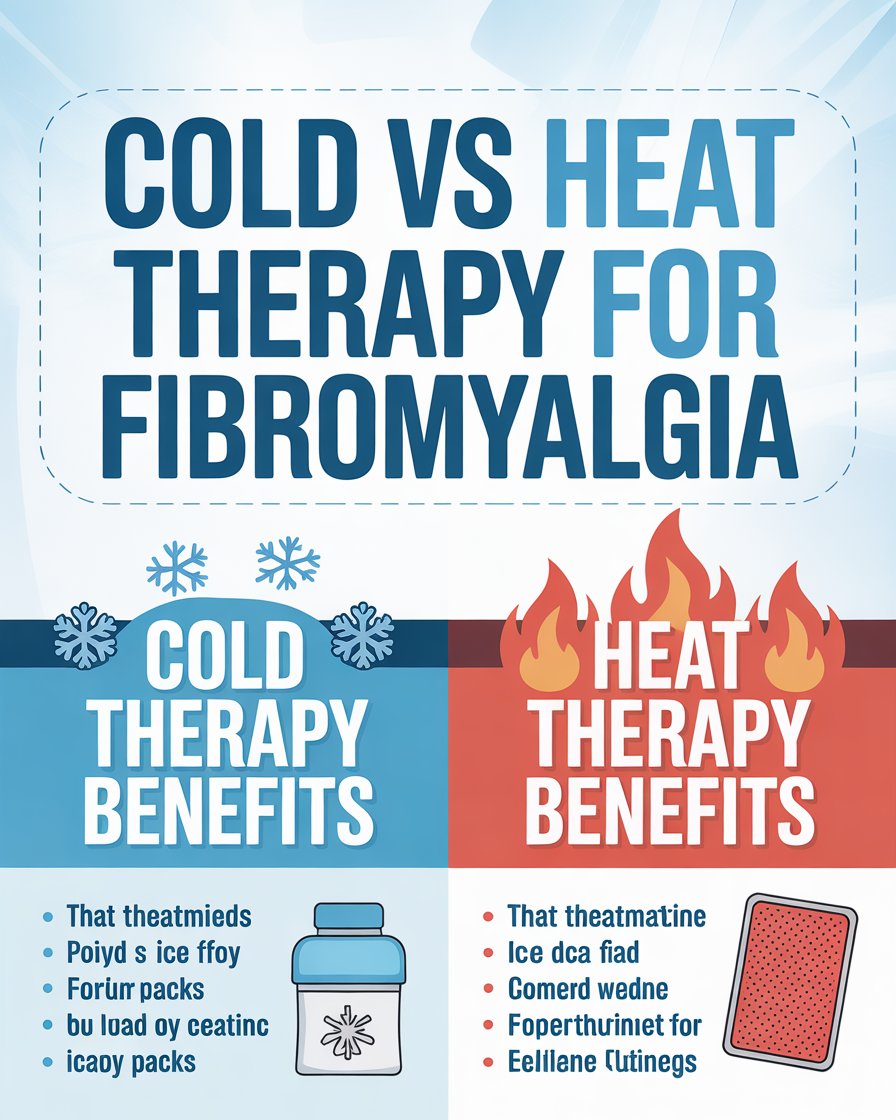
Cold vs Heat Therapy for Fibromyalgia: Which Works Best?
Introduction
Fibromyalgia is a chronic condition affecting millions worldwide, characterized by widespread musculoskeletal pain, fatigue, sleep disturbances, and cognitive challenges often called “fibro fog.” Managing these symptoms can be complex because conventional medications don’t always provide sufficient relief.
Complementary therapies, particularly cold therapy and heat therapy, are widely used to reduce pain and improve mobility. But which approach is better? This comprehensive guide will explore how each therapy works, their benefits, risks, and practical tips to maximize relief for fibromyalgia patients.
Understanding Fibromyalgia Pain
Before diving into therapy options, it’s important to understand how fibromyalgia causes pain.
- Central sensitization: Fibromyalgia amplifies pain signals in the nervous system, making even minor stimuli feel intense.
- Tender points: Specific areas of heightened sensitivity often cause localized pain.
- Chronic stiffness: Persistent muscle tension and fatigue can worsen mobility and daily function.
- Flare-ups: Symptoms can vary day to day, sometimes worsening after stress, weather changes, or physical activity.
Because of this variability, treatment strategies must be flexible and tailored to individual symptoms. Cold and heat therapy are non-invasive, low-risk options that complement other treatments like medication, physical therapy, and lifestyle changes.
What Is Cold Therapy?
Cold therapy, or cryotherapy, involves applying ice, gel packs, or specialized cooling devices to affected areas. It works by:
- Constricting blood vessels to reduce swelling and inflammation.
- Slowing nerve signals to temporarily numb pain.
- Minimizing post-activity soreness after exercise or physical exertion.
Types of Cold Therapy for Fibromyalgia
- Ice packs: Simple and effective for acute pain flare-ups.
- Cold compresses: Softer alternative for sensitive skin.
- Gel wraps: Conform to body contours for longer-lasting relief.
- Cryotherapy chambers: Whole-body cold exposure for short periods (used under supervision).
Benefits of Cold Therapy
Cold therapy offers several advantages for fibromyalgia patients, particularly during acute flare-ups:
- Reduces sharp or stabbing pain.
- Decreases inflammation after physical activity.
- Temporarily calms overactive nerve signals.
- Can improve localized muscle soreness when applied to tender points.
Many patients find that cold therapy works best for post-exercise recovery or sudden pain flare-ups rather than chronic, dull aches.
Risks and Precautions of Cold Therapy
Cold therapy is generally safe, but improper use can cause:
- Frostbite or skin damage from prolonged exposure.
- Nerve injury if applied too intensely.
- Discomfort for patients with conditions such as Raynaud’s disease, diabetes, or poor circulation.
Tips for Safe Use:
- Apply cold therapy for 15–20 minutes at a time.
- Always wrap ice packs in a thin cloth.
- Avoid direct skin contact for prolonged periods.
- Limit sessions to 2–3 times per day during flare-ups.
What Is Heat Therapy?
Heat therapy involves applying warmth to muscles and joints to relieve stiffness, improve circulation, and relax tight muscles. Heat is particularly effective for the chronic, dull pain and stiffness common in fibromyalgia.
Types of Heat Therapy
- Heating pads: Electric or microwavable pads for targeted warmth.
- Hot water bottles: Portable and inexpensive solution.
- Warm baths or showers: Provide full-body relief and relaxation.
- Heat wraps: Wearable options that provide sustained warmth for hours.
Benefits of Heat Therapy
Heat therapy offers multiple advantages, especially for chronic stiffness and persistent muscle pain:
- Improves blood flow and oxygen delivery to muscles.
- Relaxes tight muscles and reduces joint stiffness.
- Promotes tissue healing and flexibility.
- Stimulates endorphins, the body’s natural painkillers.
- Prepares muscles for gentle exercise or stretching.
Many fibromyalgia patients find heat therapy soothing in the morning or before activity, as it reduces stiffness and increases mobility.
Risks and Precautions of Heat Therapy
While generally safe, excessive heat can cause:
- Burns or skin irritation.
- Increased sensitivity for patients with neuropathy or diabetes.
- Discomfort if heat is applied for too long or too intensely.
Tips for Safe Use:
- Use moderate heat instead of extreme temperatures.
- Limit sessions to 15–30 minutes.
- Avoid sleeping directly on heating pads.
- Combine with gentle stretching for better results.
Cold vs Heat Therapy: Key Differences
| Feature | Cold Therapy | Heat Therapy |
|---|---|---|
| Best for | Acute pain, flare-ups, post-exercise soreness | Chronic stiffness, dull aches, muscle relaxation |
| Effect | Constricts blood vessels, numbs pain | Increases blood flow, relaxes muscles |
| Duration | Short-term relief (15–20 min) | Longer-lasting relief (15–30 min) |
| Risks | Frostbite, nerve injury | Burns, skin irritation |
| Ideal timing | After activity or during sudden flare-ups | Morning, before exercise, or during stiff periods |
Combining Cold and Heat Therapy
Many patients achieve optimal relief by alternating cold and heat:
- Apply heat in the morning to reduce stiffness and improve mobility.
- Use cold therapy after physical activity to prevent flare-ups.
- Experiment with timing and duration to find what works best.
Alternate therapy can provide both immediate pain relief and long-term flexibility.
Practical Tips for Fibromyalgia Patients
Cold Therapy Tips
- Keep sessions short and controlled.
- Focus on painful areas rather than large muscle groups.
- Use cold therapy 2–3 times daily during flare-ups.
Heat Therapy Tips
- Apply moderate warmth for 15–30 minutes.
- Combine with gentle stretching or massage.
- Try warm baths or showers for overall relaxation.
Lifestyle and Complementary Strategies
- Exercise gently: Low-impact workouts like swimming, walking, or yoga improve blood flow.
- Prioritize sleep: Quality rest reduces pain sensitivity.
- Manage stress: Meditation, breathing exercises, or mindfulness can reduce flare-ups.
- Balanced diet: Anti-inflammatory foods may support symptom relief.
Cold and heat therapy work best as part of a holistic fibromyalgia management plan.
Frequently Asked Questions (FAQs)
Q1: Can I use cold and heat therapy on the same day?
Yes. Many patients use heat in the morning for stiffness and cold after activity to reduce inflammation.
Q2: How long should I apply heat or cold?
Cold therapy: 15–20 minutes. Heat therapy: 15–30 minutes. Always monitor skin reaction.
Q3: Can children or elderly use these therapies?
Yes, with supervision and careful temperature control. Special caution is needed for sensitive skin or circulation issues.
Q4: Which therapy is better for fibro fog?
Neither directly improves cognitive symptoms, but reducing pain and improving sleep can indirectly help with mental clarity.
Q5: Can these therapies replace medication?
No. Cold and heat therapy are complementary tools. They are most effective when combined with medications, exercise, and lifestyle strategies.
Conclusion
Both cold and heat therapy are valuable tools for managing fibromyalgia symptoms. Cold therapy works best for acute pain, flare-ups, and post-activity soreness, while heat therapy is ideal for chronic stiffness, dull aches, and muscle relaxation. Many patients benefit most from a combination approach, using both therapies strategically throughout the day.
When applied safely, these therapies improve comfort, mobility, and quality of life for fibromyalgia patients, making them essential components of a comprehensive, holistic management plan.

Related Posts