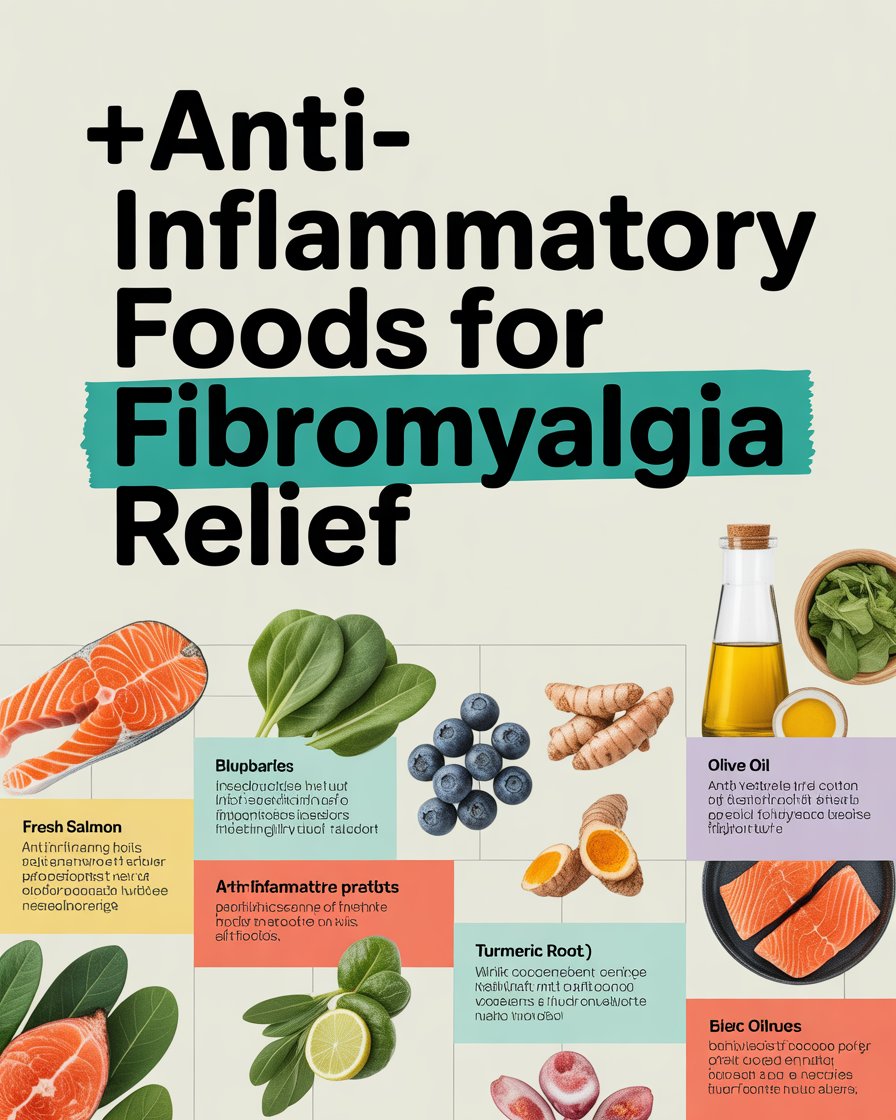
Anti-Inflammatory Foods for Fibromyalgia Relief
Understanding Fibromyalgia and Inflammation
Fibromyalgia is a chronic condition that causes widespread pain, fatigue, sleep disturbances, and cognitive difficulties often referred to as “fibro fog.” While the exact cause is not fully understood, researchers believe that changes in how the brain processes pain signals play a major role. Many people with fibromyalgia also experience symptoms related to inflammation in the body.
Although fibromyalgia itself is not classified as a classic inflammatory disease, inflammation can worsen symptoms and trigger flare-ups. Because of this, many individuals find relief by focusing on anti-inflammatory foods that support overall health and reduce stress on the body.
The Connection Between Diet and Fibromyalgia
What we eat has a powerful impact on the body’s immune system, energy levels, and pain response. Certain foods may increase inflammation, while others help calm it. For people with fibromyalgia, dietary choices can influence fatigue levels, digestion, sleep quality, and pain sensitivity.
Adopting an anti-inflammatory diet does not cure fibromyalgia, but it can help reduce symptom severity and support better daily functioning. A balanced approach that includes nutrient-rich foods is often recommended by healthcare professionals.
Why Anti-Inflammatory Foods Matter
Anti-inflammatory foods contain antioxidants, vitamins, minerals, and healthy fats that help the body fight oxidative stress. Oxidative stress can damage cells and worsen chronic pain conditions.
By regularly consuming foods that reduce inflammation, individuals may experience improved energy levels, better digestion, and fewer fibromyalgia flare-ups. These foods also support the nervous system, which plays a critical role in fibromyalgia symptoms.
Fruits Rich in Antioxidants
Fruits such as berries, cherries, oranges, and apples are rich in antioxidants and vitamins that help protect the body from inflammation. Blueberries, strawberries, and raspberries contain compounds called polyphenols that support immune health and reduce oxidative stress.
Including a variety of colorful fruits in the daily diet can help provide essential nutrients while satisfying sweet cravings in a healthier way.
Leafy Greens and Vegetables
Vegetables such as spinach, kale, broccoli, and Brussels sprouts are excellent anti-inflammatory foods. They are packed with vitamins A, C, and K, along with powerful antioxidants that support cellular health.
These vegetables also provide fiber, which helps maintain a healthy digestive system. Since many people with fibromyalgia experience digestive issues, fiber-rich foods can play an important role in symptom management.
Healthy Fats for Pain Reduction
Healthy fats are essential for reducing inflammation and supporting brain health. Foods like avocados, nuts, seeds, and olive oil contain beneficial fats that help regulate inflammatory responses in the body.
Omega-3 fatty acids, found in fatty fish such as salmon, sardines, and mackerel, are particularly helpful. These fats are known for their ability to reduce inflammation and support nerve function.
Whole Grains for Sustained Energy
Whole grains such as quinoa, brown rice, oats, and whole wheat provide complex carbohydrates that release energy slowly throughout the day. This helps stabilize blood sugar levels and prevents energy crashes.
For individuals with fibromyalgia who struggle with fatigue, whole grains can help maintain steady energy while providing important nutrients like fiber and B vitamins.
Nuts and Seeds as Nutrient Powerhouses
Nuts and seeds are small but incredibly nutrient-dense foods. Almonds, walnuts, chia seeds, and flaxseeds provide healthy fats, protein, and antioxidants that help fight inflammation.
They also contain magnesium, a mineral that supports muscle relaxation and nerve function. Magnesium deficiency has been linked to increased muscle pain and fatigue.
Herbs and Spices with Anti-Inflammatory Benefits
Many herbs and spices have natural anti-inflammatory properties. Turmeric, ginger, garlic, and cinnamon are widely known for their ability to reduce inflammation and support immune health.
Turmeric contains a compound called curcumin, which has been studied for its potential to reduce pain and inflammation. Adding these spices to meals is an easy way to enhance both flavor and health benefits.
Hydration and Its Importance
Staying hydrated is an often-overlooked aspect of managing fibromyalgia symptoms. Water helps maintain proper circulation, supports digestion, and assists in flushing toxins from the body.
Dehydration can increase fatigue and muscle stiffness. Drinking enough water throughout the day helps maintain energy levels and supports overall well-being.
Foods That May Trigger Inflammation
While focusing on anti-inflammatory foods is helpful, it is also important to recognize foods that may worsen symptoms. Highly processed foods, excessive sugar, refined carbohydrates, and fried foods can increase inflammation in the body.
Some individuals with fibromyalgia may also notice sensitivities to certain ingredients such as artificial sweeteners or food additives. Keeping a food diary can help identify personal triggers.
The Role of Gut Health
Gut health plays a major role in immune function and inflammation. A balanced gut microbiome can support digestion, reduce inflammation, and improve overall health.
Fermented foods such as yogurt, kefir, sauerkraut, and kimchi contain beneficial probiotics that help maintain a healthy balance of gut bacteria.
Creating a Fibromyalgia-Friendly Meal Plan
Planning balanced meals that include fruits, vegetables, healthy fats, lean proteins, and whole grains can make it easier to follow an anti-inflammatory diet. Preparing meals at home also allows greater control over ingredients.
Simple habits such as cooking with olive oil, adding leafy greens to meals, and choosing fresh foods over processed options can make a meaningful difference.
Lifestyle Habits That Support an Anti-Inflammatory Diet
Diet works best when combined with other healthy lifestyle habits. Regular gentle exercise, stress management, and adequate sleep can all help reduce inflammation and improve fibromyalgia symptoms.
Practices such as yoga, meditation, and deep breathing exercises may also help calm the nervous system and reduce stress-related flare-ups.
Moving Toward Better Fibromyalgia Management
Managing fibromyalgia often requires a combination of medical care, lifestyle changes, and self-awareness. While there is no single cure, adopting an anti-inflammatory diet can be an effective strategy for improving quality of life.
By choosing nourishing foods and paying attention to how the body responds, individuals with fibromyalgia can take meaningful steps toward reducing pain, improving energy, and supporting long-term wellness.