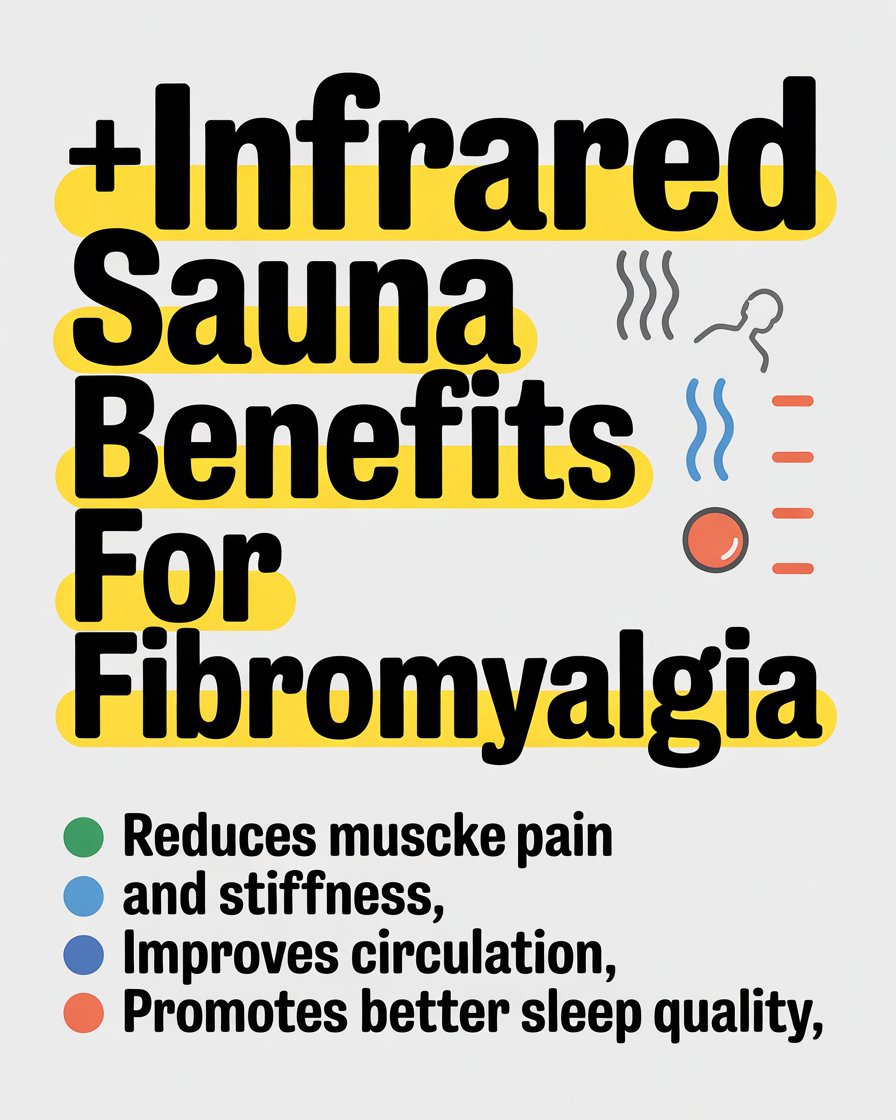
Infrared Sauna Benefits for Fibromyalgia
Introduction to Fibromyalgia and Pain Management
Fibromyalgia is a chronic condition known for causing widespread pain, fatigue, sleep disturbances, and cognitive difficulties. People living with this condition often struggle to find treatments that provide consistent relief. Because fibromyalgia affects how the nervous system processes pain, traditional treatments alone may not always be enough to manage symptoms effectively.
As a result, many individuals explore complementary therapies to support their health and well-being. One option that has gained attention in recent years is the use of infrared saunas. These specialized saunas offer a unique approach to relaxation and pain relief that may benefit people with fibromyalgia.
What Is an Infrared Sauna?
An infrared sauna is different from a traditional steam sauna. Instead of heating the air around you, infrared saunas use infrared light to gently warm the body directly. This type of heat penetrates deeper into the skin and muscles while operating at lower temperatures.
Because the heat is milder and more targeted, many people find infrared saunas more comfortable than traditional saunas. This gentle warmth can help relax muscles and promote circulation, which may contribute to symptom relief for individuals with fibromyalgia.
How Infrared Heat Works in the Body
Infrared heat works by emitting light waves that penetrate the skin and reach deeper tissues. These waves stimulate blood flow and increase circulation, allowing oxygen and nutrients to reach muscles more efficiently.
Improved circulation can support the body’s natural healing processes. For people with fibromyalgia, this may help reduce muscle tension and ease discomfort in sensitive areas.
Pain Relief and Muscle Relaxation
One of the most appealing benefits of infrared sauna therapy is its potential to reduce chronic pain. Heat therapy has long been used to relax tight muscles and soothe sore joints. Infrared heat enhances this effect by reaching deeper layers of muscle tissue.
Many individuals with fibromyalgia report feeling less stiffness and tension after sauna sessions. The warmth encourages muscles to relax, which may help reduce the persistent aches that often accompany the condition.
Reducing Fibromyalgia-Related Fatigue
Fatigue is one of the most challenging symptoms of fibromyalgia. Even after a full night’s sleep, many people wake up feeling exhausted. While infrared sauna sessions cannot eliminate fatigue entirely, they may help improve energy levels over time.
The deep relaxation provided by heat therapy can help calm the nervous system and promote restorative rest. When the body is able to relax more deeply, energy levels may gradually improve.
Improved Sleep Quality
Sleep disturbances are extremely common among people with fibromyalgia. Pain, stress, and nervous system sensitivity can make it difficult to fall asleep or stay asleep throughout the night.
Infrared sauna sessions may promote better sleep by relaxing the body and reducing stress hormones. Many individuals report falling asleep more easily after a sauna session, which can contribute to better overall symptom management.
Supporting Detoxification
Sweating is one of the body’s natural ways of eliminating certain waste products. Infrared saunas encourage sweating at lower temperatures than traditional saunas, which can feel more comfortable for people sensitive to heat.
While detoxification claims should be approached cautiously, sweating can support the body’s natural cleansing processes. For individuals with fibromyalgia, regular sauna use may contribute to a sense of overall well-being.
Stress Reduction and Mental Relaxation
Stress is a well-known trigger for fibromyalgia flare-ups. Managing stress is therefore an important part of symptom control. Infrared sauna sessions provide a quiet and relaxing environment that encourages mindfulness and calmness.
The gentle warmth helps relax both the body and the mind. This combination of physical and mental relaxation can reduce tension and support emotional balance.
Improved Circulation and Healing
Poor circulation can contribute to muscle pain and stiffness. Infrared heat promotes increased blood flow throughout the body, delivering oxygen and nutrients to tissues that need support.
For individuals with fibromyalgia, improved circulation may help reduce tenderness in muscles and joints. Over time, this may contribute to improved mobility and comfort.
Potential Impact on Inflammation
Although fibromyalgia is not classified as an inflammatory disease, some individuals experience inflammation-like symptoms such as swelling and muscle soreness. Heat therapy may help reduce these sensations by relaxing tissues and improving blood flow.
Infrared sauna therapy may also encourage the release of endorphins—natural chemicals that help reduce pain perception and improve mood.
Enhancing Mood and Emotional Well-Being
Living with chronic pain can affect mental health. Anxiety and depression are common among people managing fibromyalgia. Relaxation therapies like infrared sauna sessions can support emotional well-being by encouraging the release of feel-good hormones.
Many users report feeling calmer and more balanced after sessions. These positive emotional effects can make it easier to cope with the daily challenges of fibromyalgia.
Safe Usage Guidelines
While infrared saunas can offer potential benefits, it is important to use them safely. Sessions should typically last between 10 and 30 minutes depending on personal tolerance. Staying hydrated before and after a session is essential.
Individuals with certain health conditions should consult a healthcare provider before starting sauna therapy. Listening to the body and avoiding overheating is especially important for people with fibromyalgia who may have heightened sensitivity.
Combining Sauna Therapy with Other Treatments
Infrared sauna therapy works best when combined with other fibromyalgia management strategies. Gentle exercise, balanced nutrition, proper sleep, and stress management all play important roles in symptom control.
Working with healthcare professionals can help individuals develop a personalized treatment plan. Integrating sauna therapy into a broader wellness routine may enhance overall results.
Limitations and Considerations
Although many people experience benefits, infrared saunas are not a cure for fibromyalgia. Responses can vary widely from person to person. Some individuals may find significant relief, while others may notice only mild improvements.
It is important to approach sauna therapy as a supportive tool rather than a replacement for medical care. Monitoring symptoms and adjusting routines accordingly can help maximize benefits.
Conclusion: A Supportive Tool for Fibromyalgia Relief
Infrared sauna therapy offers a gentle and relaxing approach that may help ease some symptoms associated with fibromyalgia. Benefits such as muscle relaxation, improved circulation, better sleep, and reduced stress make it an appealing complementary therapy.
While more research is needed to fully understand its long-term effects, many individuals find infrared sauna sessions to be a valuable addition to their fibromyalgia management routine. With proper guidance and consistent use, this therapy may help support comfort, relaxation, and overall quality of life.