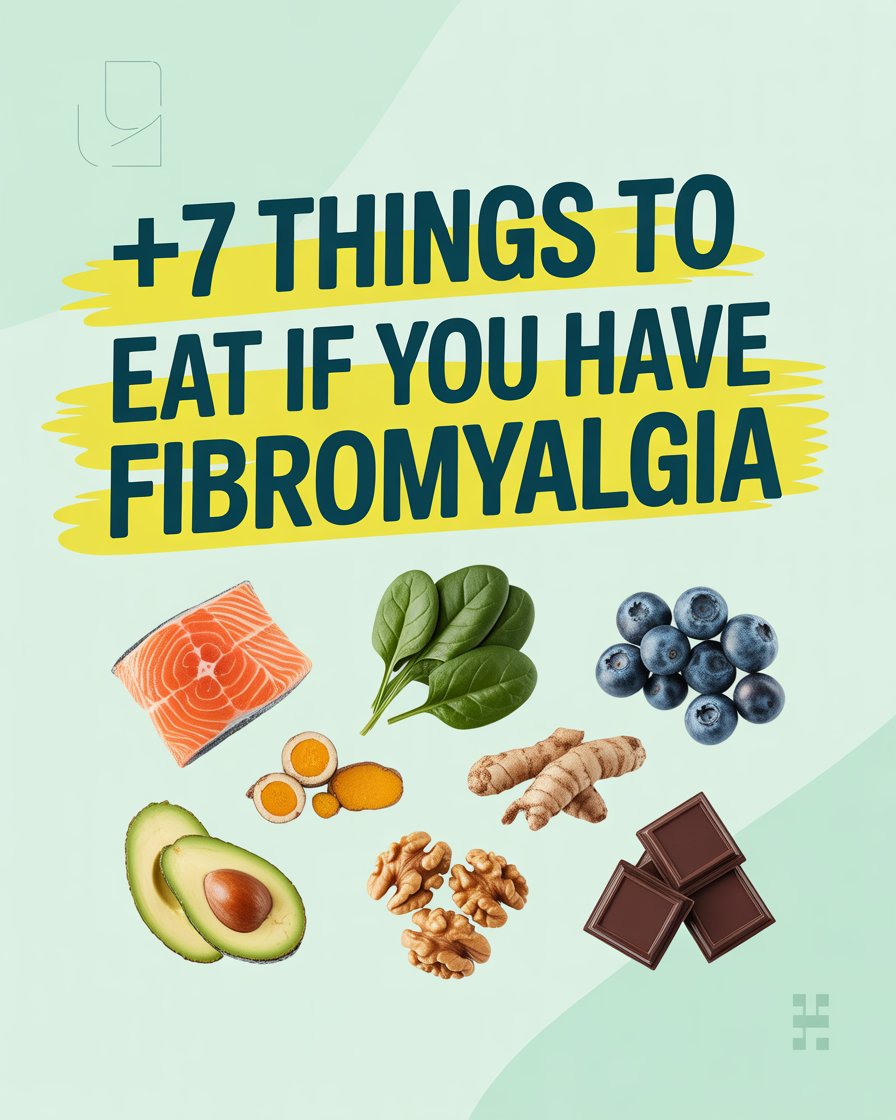
7 Things to Eat If You Have Fibromyalgia
Introduction to Fibromyalgia and Nutrition
Fibromyalgia is a chronic condition marked by widespread pain, fatigue, and cognitive challenges. While there is no single cure, lifestyle changes—especially diet—can play a powerful role in managing symptoms. The foods you eat can influence inflammation, energy levels, and even how your body processes pain signals.
A balanced, nutrient-rich diet can help stabilize blood sugar, improve sleep quality, and reduce flare-ups. Choosing the right foods doesn’t eliminate fibromyalgia, but it can make daily life more manageable and improve overall well-being.
Why Diet Matters in Fibromyalgia
People with fibromyalgia often experience heightened sensitivity in the nervous system. Certain foods may either calm or aggravate this sensitivity. Diets rich in whole, unprocessed foods tend to support better health outcomes by reducing inflammation and supporting the body’s natural healing processes.
Additionally, nutritional deficiencies—such as low levels of magnesium, vitamin D, or B vitamins—may worsen symptoms. Eating strategically can help address these gaps and support your body more effectively.
1. Leafy Green Vegetables
Leafy greens like spinach, kale, and Swiss chard are packed with essential nutrients such as magnesium, iron, and antioxidants. Magnesium, in particular, plays a key role in muscle function and nerve signaling, which may help reduce pain and cramping.
Including a daily serving of leafy greens can also help combat fatigue. These vegetables are easy to incorporate into smoothies, salads, or cooked meals, making them a simple yet powerful addition to your diet.
2. Fatty Fish
Fatty fish such as salmon, mackerel, and sardines are rich in omega-3 fatty acids. These healthy fats have anti-inflammatory properties that may help reduce widespread pain and stiffness associated with fibromyalgia.
Regular consumption of fatty fish can also support brain health, potentially improving symptoms like brain fog. Aim to include fish in your meals at least two to three times per week for optimal benefits.
3. Nuts and Seeds
Almonds, walnuts, chia seeds, and flaxseeds provide a combination of healthy fats, protein, and fiber. They are also rich in magnesium and omega-3s, both of which may help ease muscle tension and support energy levels.
Snacking on nuts and seeds can help maintain stable blood sugar levels, preventing energy crashes that often worsen fatigue. They are convenient, portable, and require no preparation.
4. Whole Grains
Whole grains like brown rice, quinoa, and oats are excellent sources of complex carbohydrates. These carbs provide steady energy throughout the day, helping to combat one of fibromyalgia’s most persistent symptoms—fatigue.
Unlike refined grains, whole grains also contain fiber and essential nutrients that support digestive health. Stable digestion is important, as many people with fibromyalgia also experience gut-related issues.
5. Berries
Berries such as blueberries, strawberries, and raspberries are loaded with antioxidants. These compounds help fight oxidative stress, which may contribute to inflammation and pain.
Incorporating berries into your diet can also support immune function and improve overall vitality. They make a delicious addition to breakfast, snacks, or desserts without causing blood sugar spikes.
6. Lean Proteins
Lean protein sources like chicken, turkey, eggs, and legumes are essential for muscle repair and overall body function. Protein also helps maintain energy levels and prevents fatigue.
Including adequate protein in your meals ensures your body has the building blocks it needs to repair tissues and maintain strength, which is especially important when dealing with chronic pain conditions.
7. Healthy Fats
Healthy fats found in foods like avocados and olive oil play a crucial role in reducing inflammation. These fats also support brain function and hormonal balance, both of which can impact fibromyalgia symptoms.
Adding healthy fats to your diet can improve satiety, helping you feel fuller for longer and maintain consistent energy levels throughout the day.
Hydration and Its Importance
Staying hydrated is often overlooked but is essential for managing fibromyalgia symptoms. Dehydration can worsen fatigue, headaches, and muscle cramps. Drinking enough water throughout the day helps your body function more efficiently.
Herbal teas and water-rich foods like cucumbers and watermelon can also contribute to hydration while offering additional nutrients.
Foods to Limit or Avoid
While focusing on beneficial foods is important, it’s equally helpful to identify potential triggers. Processed foods, excessive sugar, caffeine, and artificial additives may worsen symptoms in some individuals.
Paying attention to how your body reacts to certain foods can help you create a personalized diet that minimizes flare-ups and maximizes comfort.
Creating a Fibromyalgia-Friendly Meal Plan
Building a meal plan doesn’t have to be complicated. Start by incorporating whole foods into each meal—vegetables, lean protein, healthy fats, and complex carbohydrates. Consistency is key.
Preparing meals at home allows you to control ingredients and avoid hidden additives. Planning ahead can also reduce stress and make it easier to stick to healthy habits.
The Role of Supplements
In some cases, diet alone may not provide all necessary nutrients. Supplements such as magnesium, vitamin D, and omega-3s may be recommended by healthcare providers.
However, supplements should not replace a balanced diet. Always consult a professional before starting any new supplement regimen to ensure safety and effectiveness.
Listening to Your Body
Every individual with fibromyalgia is different. What works for one person may not work for another. Keeping a food and symptom journal can help identify patterns and triggers.
By paying attention to your body’s responses, you can tailor your diet to better support your unique needs and improve your quality of life.
Long-Term Benefits of Healthy Eating
Adopting a nutrient-rich diet can have lasting benefits beyond symptom management. Improved energy, better sleep, and enhanced mood are just a few of the positive outcomes.
Over time, consistent healthy eating can contribute to greater resilience and a stronger sense of control over your condition.
Conclusion
While fibromyalgia presents daily challenges, making thoughtful dietary choices can significantly ease symptoms. Incorporating foods like leafy greens, fatty fish, nuts, whole grains, berries, lean proteins, and healthy fats can support your body and improve overall well-being.
A mindful approach to nutrition, combined with other lifestyle strategies, offers a practical and empowering way to live better with fibromyalgia.