9 Ways to Calm a Fibromyalgia Flare Fast
Understanding Fibromyalgia Flare-Ups
Fibromyalgia flare-ups are periods when symptoms suddenly become more intense than usual. During a flare, people may experience increased pain, severe fatigue, stiffness, headaches, and difficulty concentrating. These episodes can last for hours, days, or sometimes even weeks, making daily activities extremely challenging.
Flare-ups can be triggered by many factors including stress, poor sleep, weather changes, illness, or overexertion. Understanding how to calm a flare quickly can make a significant difference in managing the condition and improving overall quality of life.
1. Prioritize Rest Immediately
When a flare begins, one of the most effective things you can do is slow down and allow your body to rest. Pushing through the pain often makes symptoms worse and can prolong recovery time. Resting helps your nervous system settle and prevents further strain on already sensitive muscles.
Find a comfortable place to relax, preferably in a quiet and low-stimulus environment. Short naps or simply lying down with your eyes closed can help reduce pain intensity and restore some energy.
2. Apply Heat Therapy
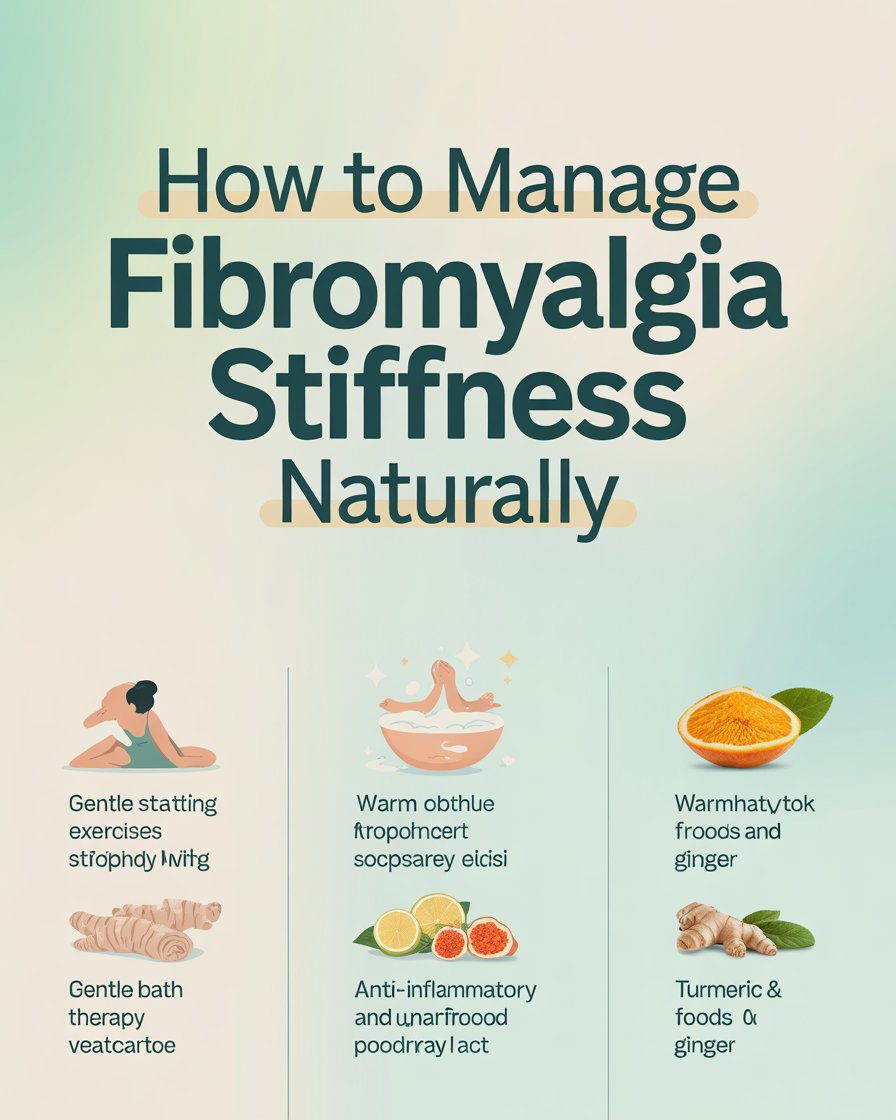
Heat therapy is widely used by people with fibromyalgia because it helps relax muscles and improve blood circulation. Warm baths, heating pads, heated blankets, or warm compresses can soothe aching muscles and reduce stiffness.
Many individuals find that moist heat works best because it penetrates deeper into the muscles. Spending 15–20 minutes applying gentle heat to painful areas can provide noticeable relief during a flare.
3. Practice Gentle Stretching
Although rest is important, complete inactivity for long periods may increase stiffness. Gentle stretching helps keep muscles flexible and prevents joints from becoming overly tight. Slow movements such as neck stretches, shoulder rolls, and light yoga poses can help ease tension.
The key is to move slowly and avoid pushing beyond your comfort level. Stretching should feel relieving rather than painful, so listen carefully to your body’s signals.
4. Stay Hydrated
Dehydration can worsen fatigue, muscle cramps, and headaches—symptoms already common during fibromyalgia flare-ups. Drinking enough water throughout the day helps maintain muscle function and supports the body’s natural recovery processes.
Warm herbal teas or electrolyte drinks can also be helpful, especially if you are feeling weak or exhausted. Keeping a water bottle nearby makes it easier to maintain hydration.
5. Use Relaxation and Breathing Techniques
Stress is one of the most common triggers of fibromyalgia flares. Deep breathing, meditation, and relaxation exercises can help calm the nervous system and reduce pain sensitivity. Even a few minutes of slow breathing can help lower tension levels.
Try inhaling deeply through your nose for four seconds, holding briefly, and then exhaling slowly through your mouth. This technique encourages relaxation and may help reduce flare intensity.
6. Take a Warm Bath with Epsom Salt
A warm bath can be extremely soothing during a flare. Adding Epsom salt may help relax muscles and ease discomfort because it contains magnesium, which plays a role in muscle function.
Soaking for 15 to 20 minutes allows the heat and minerals to gently relax the body. Many people find that this routine helps them feel calmer and reduces overall pain levels.
7. Reduce Sensory Overload
During a flare-up, people with fibromyalgia often become more sensitive to light, noise, and stimulation. Creating a calm environment can help prevent the nervous system from becoming further overwhelmed.
Dim the lights, reduce background noise, and limit screen time if possible. A quiet and comfortable environment allows your body to focus on recovery instead of reacting to additional stressors.
8. Eat Simple, Nourishing Foods
Your body needs energy to recover from a flare. Eating balanced meals with protein, healthy fats, and complex carbohydrates can help maintain stable energy levels. Foods such as vegetables, lean proteins, whole grains, and fruits provide nutrients that support healing.
Avoid heavy processed foods or excessive sugar during flare-ups because they may worsen inflammation or fatigue. Light, nutritious meals are usually easier for the body to handle.
9. Track Your Triggers
One of the most effective long-term strategies for calming fibromyalgia flares quickly is understanding what triggers them in the first place. Keeping a symptom journal can help identify patterns related to sleep, stress, diet, weather, or physical activity.
Once triggers are recognized, it becomes easier to adjust routines and reduce the likelihood of severe flare-ups. Over time, this awareness empowers individuals to manage their condition more effectively.
Building a Personal Flare-Up Plan
Everyone experiences fibromyalgia differently, so it is helpful to develop a personalized flare-up plan. This plan might include rest strategies, relaxation methods, pain relief techniques, and supportive lifestyle habits that work best for your body.
Having a plan ready can reduce anxiety when symptoms suddenly intensify. Instead of feeling overwhelmed, you can follow a routine that helps calm your body and shorten the duration of the flare.
The Importance of Self-Compassion
Living with fibromyalgia requires patience and understanding toward your own body. Flare-ups can feel frustrating, especially when they interrupt daily responsibilities. However, being kind to yourself during these times is essential.
Allowing yourself the space to rest and recover without guilt helps maintain both physical and emotional well-being. Managing fibromyalgia is not about perfection—it is about learning to adapt and care for your body with compassion.
When to Seek Medical Advice
While most fibromyalgia flares can be managed at home, persistent or worsening symptoms should be discussed with a healthcare professional. A doctor may recommend medication adjustments, physical therapy, or additional strategies for pain management.
Regular communication with your healthcare provider ensures that your treatment plan remains effective and tailored to your needs.
Long-Term Management of Fibromyalgia
Although flare-ups may still occur, consistent lifestyle habits can reduce their frequency and severity. Regular gentle exercise, stress management, balanced nutrition, and good sleep hygiene are key components of long-term fibromyalgia care.
These habits support the nervous system and improve overall resilience, making it easier to recover when flares happen.
Finding Balance and Stability
Fibromyalgia can be unpredictable, but learning how to calm a flare quickly helps restore a sense of control. By listening to your body and responding with supportive care, it becomes possible to manage symptoms more effectively.
Over time, many people discover that a combination of rest, gentle movement, relaxation, and self-awareness can significantly reduce the impact of flare-ups.
Moving Forward with Confidence
Managing fibromyalgia is a journey that requires knowledge, patience, and adaptability. While flare-ups may never disappear completely, understanding how to calm them quickly can make daily life much more manageable.
With the right strategies and support, individuals living with fibromyalgia can continue to pursue meaningful activities, maintain relationships, and build a fulfilling life despite the challenges of chronic pain.