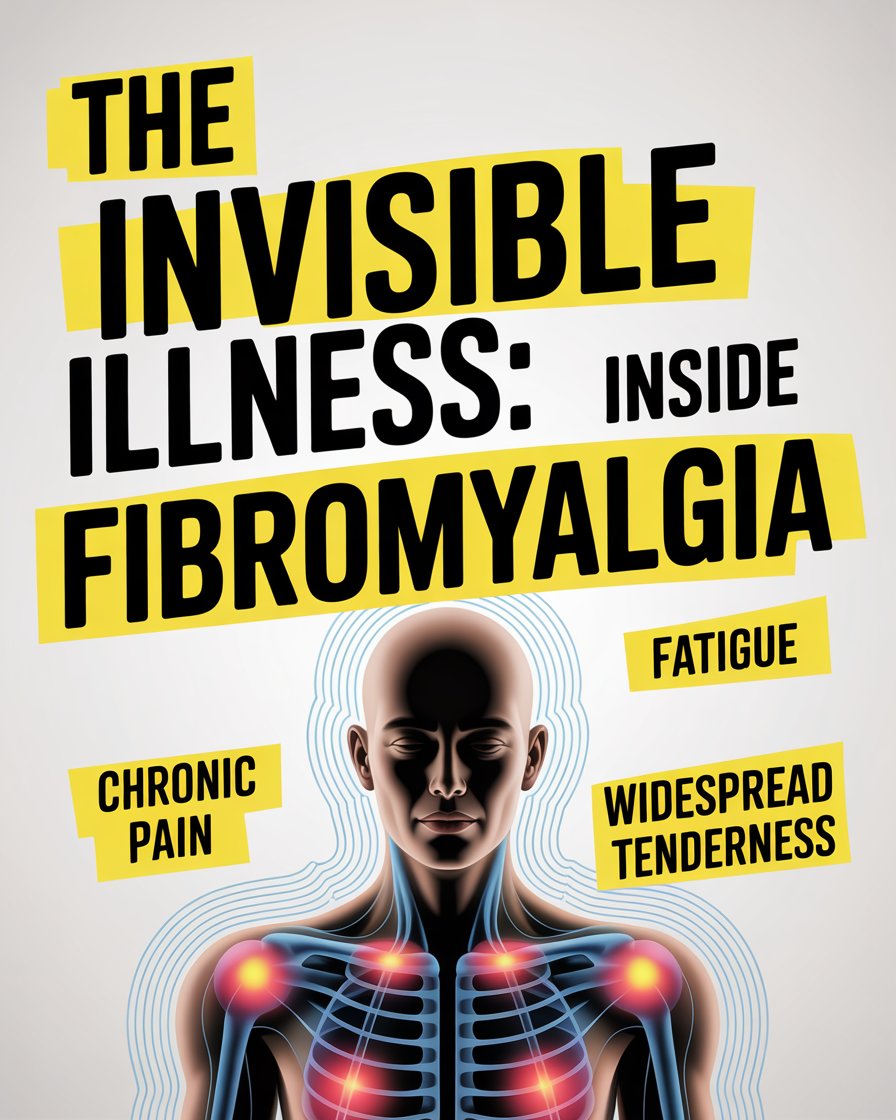
The Invisible Illness: Inside Fibromyalgia
What Makes Fibromyalgia “Invisible”?
Fibromyalgia is often called an invisible illness because its symptoms cannot be seen on the outside. There are no casts, scars, or obvious physical signs to signal the depth of suffering a person may be experiencing. Yet the pain, fatigue, and cognitive challenges are very real and can deeply disrupt daily life.
This invisibility can lead to misunderstanding. Friends, family, and even employers may struggle to grasp the seriousness of the condition, especially when medical tests appear normal. The lack of visible evidence does not diminish the intensity of the experience.
Understanding Fibromyalgia
Fibromyalgia is a chronic condition characterized by widespread musculoskeletal pain, extreme fatigue, sleep disturbances, and cognitive difficulties. It affects how the brain and nervous system process pain signals, often amplifying sensations that would not normally be painful.
Rather than being caused by tissue damage or inflammation, fibromyalgia involves changes in pain regulation pathways. This difference makes it distinct from many other chronic pain disorders.
The Science Behind the Pain
One of the key mechanisms associated with fibromyalgia is central sensitization. This means the nervous system becomes hypersensitive, reacting strongly to even mild stimuli. A gentle touch or slight pressure can feel intense and uncomfortable.
Researchers believe neurotransmitter imbalances and altered pain signaling contribute to this sensitivity. While the exact cause is still under investigation, advances in neuroscience continue to shed light on how the brain processes pain in people with fibromyalgia.
Common Symptoms Beyond Pain
While pain is the hallmark symptom, fibromyalgia affects much more than muscles and joints. Many individuals experience persistent fatigue that does not improve with rest. This exhaustion can make simple tasks feel overwhelming.
Cognitive challenges, often referred to as “fibro fog,” include memory lapses, trouble concentrating, and slowed thinking. Headaches, digestive issues, and heightened sensitivity to light, sound, or temperature are also common.
The Challenge of Diagnosis
There is no single laboratory test that confirms fibromyalgia. Diagnosis typically involves evaluating widespread pain lasting at least three months, along with other characteristic symptoms. Doctors often rule out conditions such as rheumatoid arthritis or lupus before making a diagnosis.
Because symptoms overlap with other disorders, many patients spend years seeking answers. This delay can increase frustration and emotional stress.
Who Is Affected?
Fibromyalgia affects people of all ages and genders, though it is more commonly diagnosed in women. It can develop gradually or appear after a triggering event such as physical trauma, infection, or significant emotional stress.
Family history may increase the likelihood of developing the condition, suggesting a possible genetic component. However, no single cause has been identified.
Daily Life with Fibromyalgia
Living with fibromyalgia often requires careful planning and energy management. Tasks that once seemed routine—grocery shopping, household chores, or social events—may require extra effort or recovery time.
The unpredictable nature of flare-ups adds another layer of difficulty. Symptoms can intensify without warning, forcing sudden changes in plans and priorities.
The Emotional Impact
Chronic pain can take a toll on mental health. Feelings of isolation, anxiety, or depression may arise, especially when symptoms are dismissed or misunderstood. Emotional stress can, in turn, worsen physical symptoms, creating a challenging cycle.
Seeking psychological support or joining peer groups can help individuals feel less alone. Emotional validation plays a powerful role in overall well-being.
Sleep Disturbances and Fatigue
Many people with fibromyalgia struggle with non-restorative sleep. Even after a full night in bed, they may wake feeling unrefreshed. Sleep disorders such as insomnia or restless legs syndrome are also common.
Poor sleep can heighten pain sensitivity and fatigue, making quality rest a critical focus in management strategies.
Treatment Approaches
There is no cure for fibromyalgia, but symptoms can be managed. Treatment often combines medication, physical therapy, and lifestyle adjustments. Certain medications may help regulate pain signaling or improve sleep quality.
Non-pharmacological therapies such as gentle exercise, stress reduction, and cognitive behavioral therapy have shown positive results. A personalized plan is typically most effective.
The Role of Exercise
Though movement may seem difficult during painful periods, regular low-impact exercise can reduce stiffness and improve mood. Activities like walking, swimming, and stretching are often recommended.
Starting slowly and building gradually helps prevent flare-ups. Consistency, rather than intensity, is key to long-term improvement.
Nutrition and Lifestyle Choices
While no specific diet cures fibromyalgia, balanced nutrition supports energy levels and overall health. Some individuals find that reducing processed foods and caffeine improves symptoms.
Stress management techniques such as meditation, breathing exercises, and pacing activities can also reduce symptom severity. Small daily adjustments often lead to meaningful progress over time.
Managing Flare-Ups
Flare-ups are periods when symptoms intensify. They may be triggered by stress, lack of sleep, overexertion, or illness. Identifying personal triggers can help reduce their frequency.
During a flare, prioritizing rest, hydration, and gentle stretching can ease discomfort. Accepting the need for temporary adjustments is part of long-term management.
Breaking the Stigma
Because fibromyalgia lacks visible signs, it is sometimes dismissed as exaggerated or psychological. Increased awareness and research have helped challenge these misconceptions, but stigma still exists.
Education is essential. Understanding that fibromyalgia involves measurable changes in pain processing encourages empathy and support.
Moving Forward with Hope
Although fibromyalgia is a chronic condition, many people learn to manage their symptoms and lead fulfilling lives. Supportive healthcare providers, informed loved ones, and practical coping strategies can make a meaningful difference.
Inside the invisible illness lies resilience. With growing research and greater awareness, the path forward continues to become clearer for those living with fibromyalgia.