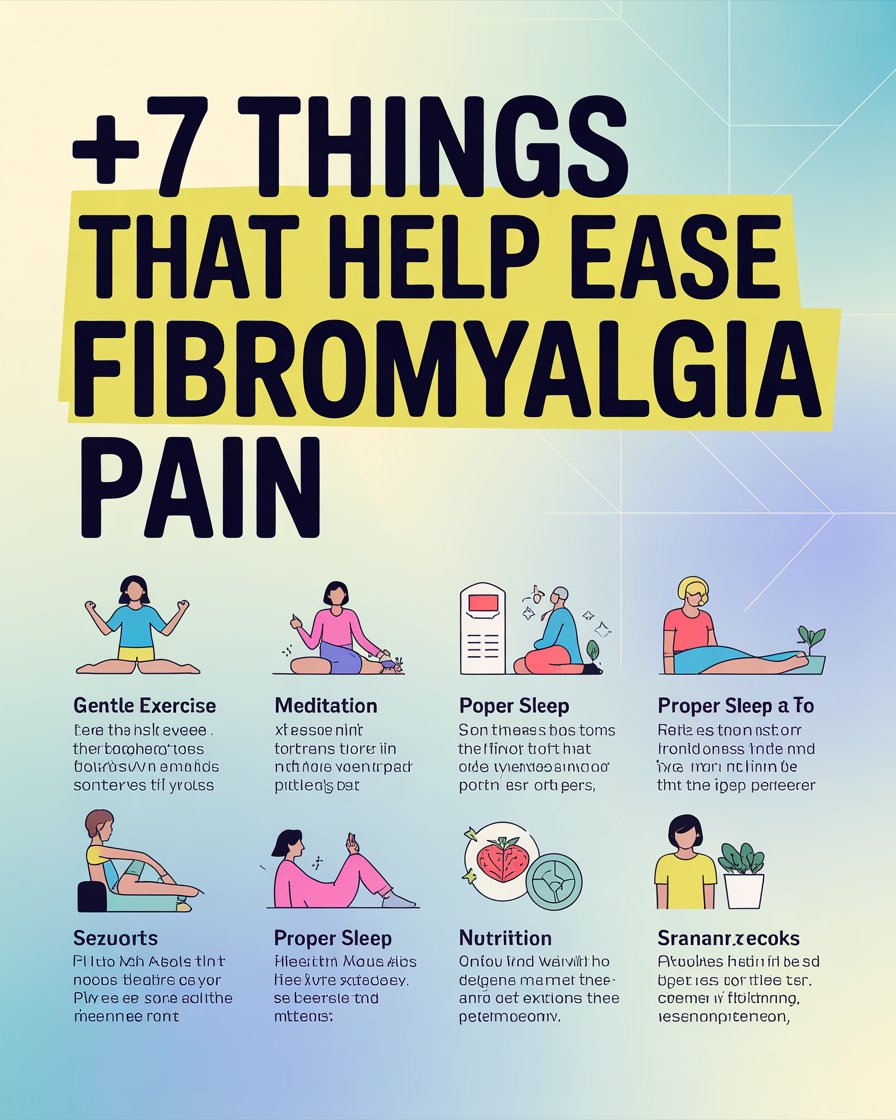
7 Things That Help Ease Fibromyalgia Pain
Understanding Fibromyalgia Pain
Fibromyalgia is a chronic condition that causes widespread pain, fatigue, sleep disturbances, and cognitive difficulties often called “fibro fog.” The pain associated with fibromyalgia can vary from mild discomfort to intense, persistent aches that affect daily life. Because fibromyalgia affects how the nervous system processes pain signals, even small physical or emotional stressors can trigger significant discomfort.
Managing fibromyalgia requires a comprehensive approach rather than relying on a single treatment. While there is no cure, many strategies can help reduce pain and improve quality of life. By adopting supportive habits and therapies, individuals living with fibromyalgia can better control their symptoms and maintain a healthier lifestyle.
1. Gentle and Regular Exercise
Although exercise may seem challenging when dealing with chronic pain, gentle physical activity is one of the most effective ways to ease fibromyalgia symptoms. Low-impact exercises such as walking, swimming, stretching, and yoga can help improve muscle strength and flexibility while reducing stiffness.
Regular movement also promotes the release of endorphins, the body’s natural pain-relieving chemicals. Starting slowly and gradually increasing activity levels helps prevent flare-ups while building endurance over time.
2. Improving Sleep Quality
Sleep problems are extremely common in people with fibromyalgia. Poor sleep can worsen pain sensitivity and increase fatigue throughout the day. Creating healthy sleep habits is an essential step in managing symptoms.
Maintaining a consistent bedtime, limiting caffeine intake, and avoiding screens before sleep can help regulate the body’s sleep cycle. A calm bedtime routine and comfortable sleep environment may also contribute to deeper, more restorative rest.
3. Managing Stress Effectively
Stress is a major trigger for fibromyalgia flare-ups. Emotional tension can increase pain sensitivity and worsen fatigue, making it harder for the body to recover. Learning effective stress management techniques can significantly reduce symptom intensity.
Practices such as meditation, deep breathing exercises, journaling, and mindfulness can help calm the nervous system. Even short periods of relaxation each day can help reduce the frequency of painful episodes.
4. Balanced Nutrition and Healthy Diet
While there is no specific diet designed exclusively for fibromyalgia, healthy eating can support overall well-being and energy levels. A balanced diet rich in fruits, vegetables, lean proteins, and whole grains helps maintain stable blood sugar and reduce inflammation.
Some individuals find relief by limiting processed foods, excess sugar, and caffeine. Staying well hydrated and eating nutrient-dense meals can help support the body’s natural healing processes.
5. Physical Therapy and Gentle Stretching
Physical therapy is often recommended for people with fibromyalgia. A trained therapist can design personalized exercises that improve posture, flexibility, and muscle function without causing additional strain.
Gentle stretching routines can also help relieve muscle tightness and stiffness. Over time, consistent stretching may reduce pain and increase overall mobility.
6. Medication and Medical Support
In some cases, healthcare providers may prescribe medications to help manage fibromyalgia symptoms. Certain medications can help regulate pain signals in the brain, improve sleep quality, or reduce nerve sensitivity.
Regular communication with a healthcare professional is important for finding the most effective treatment plan. Medication is often most helpful when combined with lifestyle changes and supportive therapies.
7. Support Systems and Emotional Care
Living with fibromyalgia can feel isolating, especially because the illness is often invisible to others. Building a strong support network can make a meaningful difference in emotional well-being and resilience.
Family members, friends, support groups, and counseling services can provide encouragement and understanding. Talking openly about symptoms and challenges helps reduce feelings of frustration and loneliness.
Tracking Symptoms and Triggers
Every individual with fibromyalgia experiences symptoms differently. Keeping a symptom journal can help identify patterns and triggers that lead to flare-ups. Factors such as stress, lack of sleep, certain foods, or physical overexertion may influence symptom severity.
Understanding personal triggers allows individuals to adjust their routines and avoid activities that may worsen their condition.
Pacing Daily Activities
One of the most helpful skills for managing fibromyalgia is pacing. Overexertion can lead to intense flare-ups that last for days or even weeks. Learning to balance activity and rest helps conserve energy and prevent symptom escalation.
Breaking large tasks into smaller steps and taking regular breaks throughout the day can make daily responsibilities more manageable.
The Role of Mind-Body Techniques
Mind-body practices can help regulate the nervous system and reduce the perception of pain. Techniques such as yoga, tai chi, and guided relaxation focus on slow movements and controlled breathing.
These practices not only support physical health but also promote emotional balance, which is essential for managing chronic conditions.
Importance of Consistency
When managing fibromyalgia, consistency is often more important than intensity. Small, steady lifestyle improvements can gradually reduce pain and improve energy levels.
Whether it’s maintaining a gentle exercise routine, practicing relaxation techniques, or improving sleep habits, regular commitment to healthy habits leads to better long-term results.
When to Seek Professional Help
If fibromyalgia symptoms become overwhelming or significantly interfere with daily life, seeking professional medical guidance is important. Doctors, pain specialists, and therapists can provide tailored treatments and coping strategies.
Early intervention and ongoing support can help individuals better manage their symptoms and prevent worsening conditions.
Encouraging Self-Compassion
Living with fibromyalgia can be physically and emotionally challenging. Practicing self-compassion and recognizing personal limitations can help reduce frustration and guilt.
Allowing time for rest, acknowledging achievements, and maintaining a positive mindset can support both mental and physical healing.
Hope for the Future
Research into fibromyalgia continues to grow, bringing new insights into the condition and potential treatments. Scientists are exploring better ways to understand pain processing and develop more effective therapies.
With increasing awareness and improved medical understanding, people living with fibromyalgia have more resources and support than ever before.
Living Well with Fibromyalgia
Although fibromyalgia can be a lifelong condition, many people successfully manage their symptoms and lead fulfilling lives. By combining medical care, lifestyle adjustments, emotional support, and self-care strategies, it is possible to reduce pain and improve overall quality of life.
Finding the right combination of treatments takes time and patience, but with persistence and proper support, individuals can regain control and move toward a healthier and more balanced life.