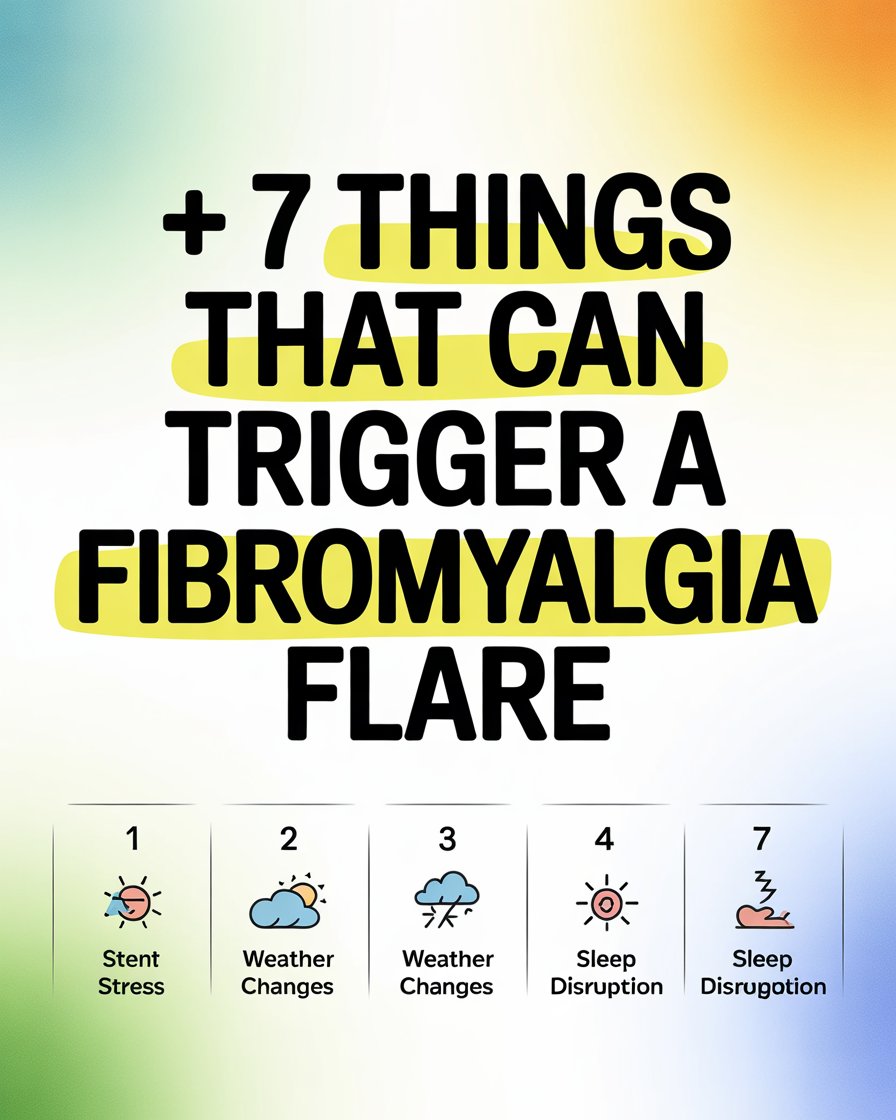
7 Things That Can Trigger a Fibromyalgia Flare
Understanding Fibromyalgia Flare-Ups
Fibromyalgia flare-ups are periods when symptoms such as widespread pain, fatigue, stiffness, and cognitive difficulties suddenly become more intense. These episodes can last for days or even weeks, making daily tasks much more challenging. While fibromyalgia symptoms can vary from person to person, many individuals notice certain patterns or triggers that lead to flare-ups.
Learning to recognize these triggers is an important part of managing fibromyalgia. By identifying what worsens symptoms, individuals can take proactive steps to reduce flare frequency and improve overall quality of life.
What Happens During a Fibromyalgia Flare?
During a flare-up, the nervous system becomes even more sensitive to pain signals. This heightened sensitivity can make normal sensations feel painful or overwhelming. Muscles may feel stiff and sore, energy levels drop significantly, and concentration becomes more difficult.
Other symptoms such as headaches, digestive discomfort, and sleep disturbances may also worsen during a flare. Because these symptoms can disrupt daily routines, understanding the underlying triggers becomes essential for long-term management.
Trigger 1: Stress and Emotional Overload
One of the most common triggers for fibromyalgia flare-ups is stress. Emotional stress from work, relationships, financial pressure, or personal challenges can amplify the body’s pain response. The nervous system reacts to stress by releasing hormones that may increase inflammation and pain sensitivity.
Long-term stress can keep the body in a constant state of tension, which often worsens fibromyalgia symptoms. Stress management techniques such as meditation, breathing exercises, or mindfulness can help reduce the likelihood of stress-related flares.
Trigger 2: Poor Sleep Quality
Sleep problems are closely connected to fibromyalgia symptoms. Many people with the condition experience insomnia, restless sleep, or difficulty staying asleep. When the body does not get enough restorative sleep, pain sensitivity and fatigue tend to increase.
Poor sleep can create a cycle where pain interferes with sleep, and lack of sleep worsens the pain. Improving sleep habits—such as maintaining a consistent bedtime routine and limiting screen exposure before bed—can help reduce flare triggers.
Trigger 3: Overexertion and Physical Strain
While staying active is important, pushing the body too hard can easily trigger a flare. Overexertion may occur from intense exercise, heavy physical labor, or even doing too many daily activities without adequate rest.
Many individuals with fibromyalgia benefit from pacing their activities. Breaking tasks into smaller steps and allowing time for rest can prevent the body from becoming overwhelmed and reduce the risk of flare-ups.
Trigger 4: Weather Changes
Some people with fibromyalgia notice that their symptoms worsen during certain weather conditions. Changes in temperature, humidity, or barometric pressure may contribute to increased pain and stiffness.
Cold weather in particular is often associated with more intense symptoms. While weather cannot be controlled, strategies such as staying warm, stretching regularly, and maintaining gentle movement can help minimize discomfort during seasonal changes.
Trigger 5: Poor Diet and Nutritional Imbalances
Diet can also influence fibromyalgia symptoms. Highly processed foods, excessive sugar, caffeine, or artificial additives may worsen inflammation and contribute to fatigue or digestive issues.
Although there is no universal diet for fibromyalgia, many individuals find that eating balanced meals rich in fruits, vegetables, lean proteins, and whole grains supports better energy levels. Staying hydrated and limiting inflammatory foods may also help reduce flare frequency.
Trigger 6: Illness or Infections
When the body is fighting an illness, such as a cold or viral infection, the immune system becomes more active. This extra strain on the body can intensify fibromyalgia symptoms and trigger a flare-up.
Even minor illnesses can temporarily worsen fatigue and pain levels. Getting adequate rest, maintaining good hygiene, and supporting the immune system with healthy lifestyle habits can help reduce this trigger.
Trigger 7: Hormonal Changes
Hormonal fluctuations can influence fibromyalgia symptoms, particularly for women. Changes during menstruation, pregnancy, or menopause may affect pain sensitivity, mood, and energy levels.
While hormonal changes are a natural part of life, tracking symptoms alongside hormonal cycles may help identify patterns. Understanding these patterns allows individuals to prepare for potential flare periods and adjust their routines accordingly.
The Importance of Tracking Personal Triggers
Every person with fibromyalgia experiences the condition differently. What triggers a flare for one individual may not affect another. Keeping a symptom journal can help identify personal patterns over time.
Tracking factors such as sleep quality, stress levels, diet, and physical activity can reveal connections between daily habits and symptom intensity. This awareness allows individuals to make informed lifestyle adjustments.
Lifestyle Strategies to Reduce Flare-Ups
Managing fibromyalgia often requires a balanced approach that includes rest, movement, and stress management. Gentle exercises such as stretching, walking, swimming, or yoga can help maintain flexibility and reduce stiffness without overexertion.
Equally important is learning to listen to the body’s signals. Taking breaks when needed and avoiding pushing through severe fatigue can prevent symptoms from escalating.
The Role of Medical Support
Healthcare providers can help develop a personalized treatment plan that addresses both symptoms and flare triggers. This plan may include medication, physical therapy, counseling, or other supportive therapies.
Regular communication with healthcare professionals ensures that treatment strategies remain effective and adaptable as symptoms change over time.
Emotional Support and Community
Living with fibromyalgia can sometimes feel isolating, especially when symptoms are invisible to others. Connecting with support groups or communities of people facing similar challenges can provide encouragement and understanding.
Sharing experiences and coping strategies often helps individuals feel less alone while offering practical advice for managing daily life with fibromyalgia.
Learning to Manage Fibromyalgia Triggers
While it may not always be possible to avoid every trigger, understanding them can significantly reduce flare frequency. Small adjustments in lifestyle, stress management, and daily routines can make a noticeable difference in symptom control.
Developing a personalized strategy takes time, but patience and consistency are key to finding what works best.
Moving Toward Better Symptom Control
Fibromyalgia flare-ups can be difficult, but they do not have to define daily life. By recognizing common triggers such as stress, poor sleep, overexertion, weather changes, diet, illness, and hormonal shifts, individuals can take proactive steps toward managing their condition.
With awareness, supportive care, and healthy lifestyle choices, many people with fibromyalgia learn to reduce flare severity and regain a greater sense of control over their well-being.