25 Fibromyalgia Hacks That Make Life Easier
Understanding Life with Fibromyalgia
Fibromyalgia is a chronic condition that affects millions of people worldwide, causing widespread pain, fatigue, sleep problems, and cognitive difficulties often referred to as “fibro fog.” Because the condition affects the nervous system’s pain processing, everyday tasks can sometimes feel exhausting or overwhelming. Living with fibromyalgia requires patience, self-awareness, and practical strategies to manage symptoms.
While there is no single cure, many small lifestyle changes can significantly improve daily comfort and productivity. These simple yet effective hacks can help people living with fibromyalgia conserve energy, reduce flare-ups, and maintain a better quality of life.
Hack 1–5: Master Energy Management
One of the most important skills for managing fibromyalgia is learning how to manage energy levels. Many people with fibromyalgia experience what is known as the “energy envelope,” meaning they have a limited amount of energy each day. Planning tasks carefully can prevent exhaustion and flare-ups.
Start by prioritizing essential activities and breaking large tasks into smaller steps. Instead of cleaning the entire house at once, spread chores throughout the week. Taking short breaks between tasks also helps prevent overexertion.
Using planners or digital reminders can help organize daily routines without overwhelming the mind. By pacing activities, individuals can stay productive while protecting their physical well-being.
Hack 6–10: Improve Sleep Quality
Quality sleep plays a critical role in managing fibromyalgia symptoms. Unfortunately, many people with fibromyalgia struggle with restless sleep, insomnia, or waking up feeling unrefreshed.
Creating a consistent sleep routine can make a big difference. Going to bed and waking up at the same time each day helps regulate the body’s internal clock. Reducing screen time before bed and keeping the bedroom cool, dark, and quiet also supports better sleep.
Relaxation techniques such as deep breathing, gentle stretching, or meditation before bedtime can calm the nervous system and promote deeper rest.
Hack 11–15: Reduce Pain with Gentle Movement
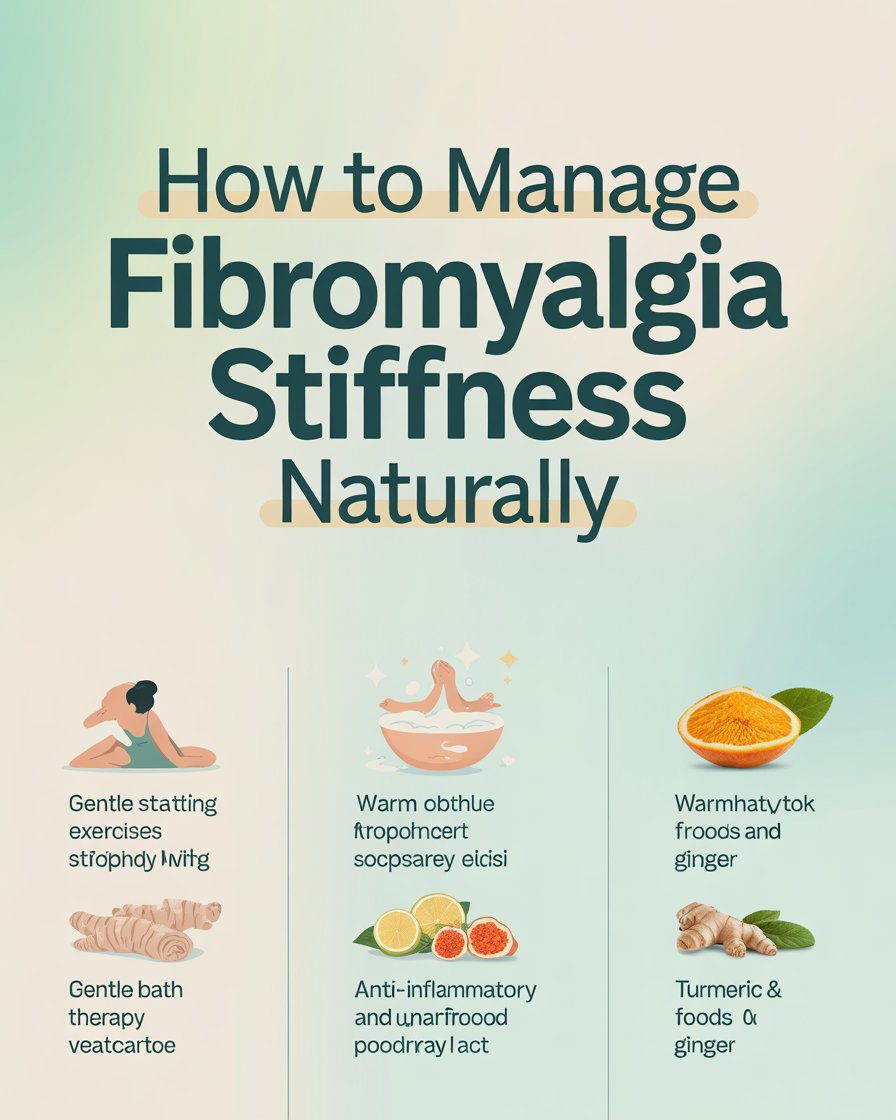
Although exercise might seem difficult during painful periods, gentle movement can actually reduce stiffness and improve overall mobility. Low-impact activities such as walking, swimming, or yoga are especially helpful for fibromyalgia patients.
Starting slowly is essential. Even five to ten minutes of stretching each day can improve circulation and reduce muscle tension. Over time, consistent movement strengthens muscles and helps the body adapt to physical activity.
Listening to the body is crucial. On days when symptoms are severe, lighter activities such as stretching or relaxation exercises can still provide benefits without causing strain.
Hack 16–20: Manage Stress Effectively
Stress is one of the most common triggers for fibromyalgia flare-ups. When the body is under stress, the nervous system becomes more sensitive to pain signals, which can intensify symptoms.
Practicing stress management techniques can help stabilize both mental and physical health. Mindfulness meditation, breathing exercises, journaling, and spending time in nature are simple ways to calm the mind.
Maintaining a healthy work-life balance and setting boundaries can also reduce stress. Learning to say “no” when necessary helps protect energy and prevent burnout.
Hack 21–25: Create a Fibromyalgia-Friendly Lifestyle
Lifestyle adjustments can significantly improve comfort and reduce daily strain. Small changes such as using ergonomic chairs, supportive pillows, or heated blankets can ease muscle pain and improve posture.
Maintaining a balanced diet rich in whole foods, fruits, vegetables, and lean proteins may also support overall health. Staying hydrated and avoiding excessive caffeine or processed foods can help maintain stable energy levels.
Tracking symptoms in a journal can help identify triggers such as certain foods, activities, or stressors. Recognizing these patterns allows individuals to make proactive changes and better manage flare-ups.
The Importance of Self-Compassion
Living with fibromyalgia requires resilience, adaptability, and self-compassion. Some days will feel easier than others, and it is important to acknowledge personal limits without guilt. Learning to celebrate small accomplishments can improve motivation and emotional well-being.
Seeking support from family, friends, or support groups can also provide encouragement and understanding. Connecting with others who share similar experiences can help reduce feelings of isolation.
Building a Sustainable Daily Routine
Establishing a routine that balances activity, rest, and self-care is one of the most effective long-term strategies for fibromyalgia management. Consistent habits such as regular sleep, gentle movement, and stress reduction can gradually improve symptom stability.
While fibromyalgia may present daily challenges, practical hacks and thoughtful lifestyle adjustments can make life easier and more manageable. With the right tools and mindset, individuals can maintain independence and continue pursuing meaningful activities despite the condition.