15 Natural Remedies That Actually Help Fibromyalgia Pain
Understanding Fibromyalgia Pain
Fibromyalgia is a chronic condition that causes widespread pain, fatigue, sleep disturbances, and cognitive difficulties. Unlike typical pain caused by injury or inflammation, fibromyalgia pain is linked to how the brain and nervous system process signals. This makes the pain feel more intense and persistent, even without a clear physical cause.
Because of its complex nature, managing fibromyalgia often requires more than just medication. Many individuals turn to natural remedies to reduce symptoms and improve their overall quality of life. While these remedies are not cures, they can play a powerful role in a well-rounded treatment plan.
Why Natural Remedies Matter
Natural approaches focus on supporting the body holistically—addressing physical, emotional, and mental well-being. They often have fewer side effects than medications and can be used alongside medical treatments. The key is consistency and finding what works best for your body.
By incorporating natural strategies, people with fibromyalgia can gain a greater sense of control over their symptoms and daily life.
1. Gentle Exercise
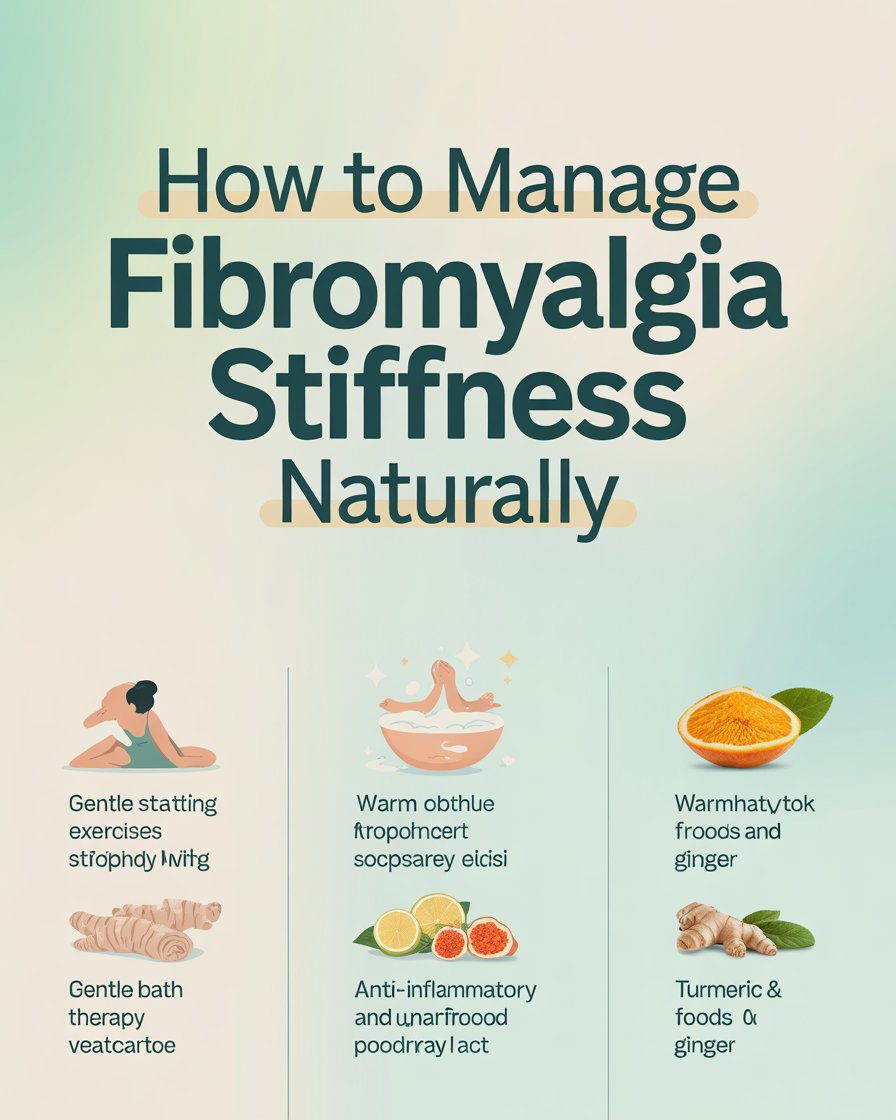
Low-impact exercise is one of the most effective ways to manage fibromyalgia pain. Activities like walking, swimming, stretching, and yoga help improve flexibility, reduce stiffness, and boost mood. While it may feel difficult at first, starting slowly and building up gradually can prevent flare-ups.
Regular movement also helps regulate the nervous system, which plays a major role in pain sensitivity.
2. Mindfulness and Meditation
Stress is a major trigger for fibromyalgia symptoms. Mindfulness and meditation practices help calm the nervous system and reduce the perception of pain. Even a few minutes a day can make a noticeable difference.
Deep breathing exercises and guided meditations can help lower stress hormones and promote relaxation.
3. Improving Sleep Quality
Poor sleep is both a symptom and a trigger of fibromyalgia. Establishing a consistent sleep routine—going to bed and waking up at the same time each day—can improve rest. Reducing screen time before bed and creating a calm sleep environment are also helpful strategies.
Better sleep allows the body to repair and reduces overall pain levels.
4. Anti-Inflammatory Diet
While fibromyalgia is not strictly an inflammatory condition, certain foods can worsen symptoms. Eating a balanced diet rich in fruits, vegetables, whole grains, and healthy fats can support overall health.
Reducing processed foods, sugar, and caffeine may help minimize flare-ups and improve energy levels.
5. Magnesium Supplements
Magnesium plays a role in muscle function and nerve signaling. Some people with fibromyalgia have low magnesium levels, which may contribute to muscle pain and cramps. Incorporating magnesium-rich foods or supplements may provide relief.
Always consult a healthcare provider before starting any supplement.
6. Heat Therapy
Applying heat to painful areas can help relax muscles and improve blood flow. Warm baths, heating pads, and hot showers are simple yet effective ways to reduce stiffness and discomfort.
Heat therapy is especially helpful during flare-ups or after physical activity.
7. Acupuncture
Acupuncture is an ancient practice that involves inserting thin needles into specific points on the body. Some studies suggest it may help reduce fibromyalgia pain by stimulating the nervous system and releasing natural pain-relieving chemicals.
Many individuals find it helpful as part of a broader pain management plan.
8. Massage Therapy
Massage can relieve muscle tension, improve circulation, and promote relaxation. Regular sessions may help reduce pain intensity and improve sleep quality.
Even self-massage techniques or using foam rollers can provide benefits at home.
9. Herbal Remedies
Certain herbs, such as turmeric and ginger, have anti-inflammatory and pain-relieving properties. Herbal teas and supplements may offer mild symptom relief when used consistently.
However, it’s important to ensure herbs do not interact with any medications.
10. Cognitive Behavioral Therapy (CBT)
Although not a physical remedy, CBT is a powerful tool for managing chronic pain. It helps individuals change negative thought patterns and develop healthier coping strategies.
By improving mental resilience, CBT can reduce the overall impact of fibromyalgia on daily life.
11. Staying Hydrated
Dehydration can worsen fatigue and muscle pain. Drinking enough water throughout the day supports overall body function and may help reduce symptom severity.
Simple habits like carrying a water bottle can make a big difference.
12. Essential Oils
Aromatherapy using essential oils like lavender, peppermint, and eucalyptus may promote relaxation and reduce pain perception. These oils can be used in diffusers, baths, or diluted for topical application.
While not a cure, they can enhance comfort and well-being.
13. Pacing and Energy Management
Overexertion is a common trigger for fibromyalgia flare-ups. Learning to pace activities—balancing rest and movement—can prevent symptom spikes.
Breaking tasks into smaller steps and taking regular breaks helps conserve energy and maintain stability.
14. Support Groups and Connection
Living with fibromyalgia can feel isolating. Connecting with others who understand the condition can provide emotional support and practical advice.
Support groups, whether in person or online, can help reduce stress and improve mental health.
15. Consistent Self-Care Routine
Creating a daily self-care routine that includes relaxation, movement, and healthy habits is essential. Consistency is more important than intensity when managing fibromyalgia naturally.
Small, regular actions add up over time and can significantly improve quality of life.
Building a Personalized Approach
There is no one-size-fits-all solution for fibromyalgia. What works for one person may not work for another. The most effective approach combines multiple strategies tailored to individual needs.
Keeping track of symptoms and triggers can help identify which remedies are most beneficial.
Final Thoughts
Natural remedies can play a valuable role in managing fibromyalgia pain. While they may not eliminate symptoms completely, they offer practical, sustainable ways to improve daily living.
With patience, experimentation, and support, individuals with fibromyalgia can find relief and regain a sense of balance in their lives.

Related Posts